Bordeaux Magazine
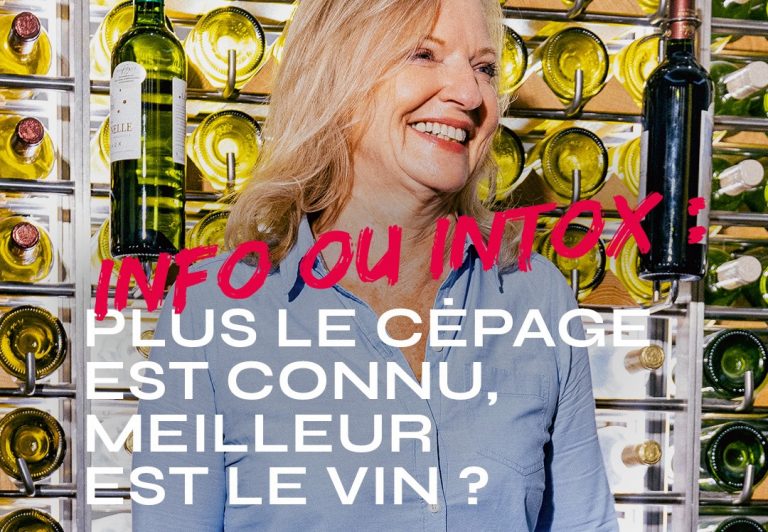
Question de vin : plus le cépage est connu, meilleur est le vin ?
Vous avez déjà sûrement vécu ce moment : un restaurant, la carte des vins, des noms de cép...
DécouvrirLe climat, la nature des sols et les cépages sont à l'origine de la diversité de nos appellations
Rouge, blanc, rosé. Souple ou plutôt charpenté. les typicités de nos vins sauront vous surprendre... Choisissez le vin qui nous correspond
Taille, floraison, vendanges. Découvrez le cycle de la vigne et le savoir-faire des vignerons.
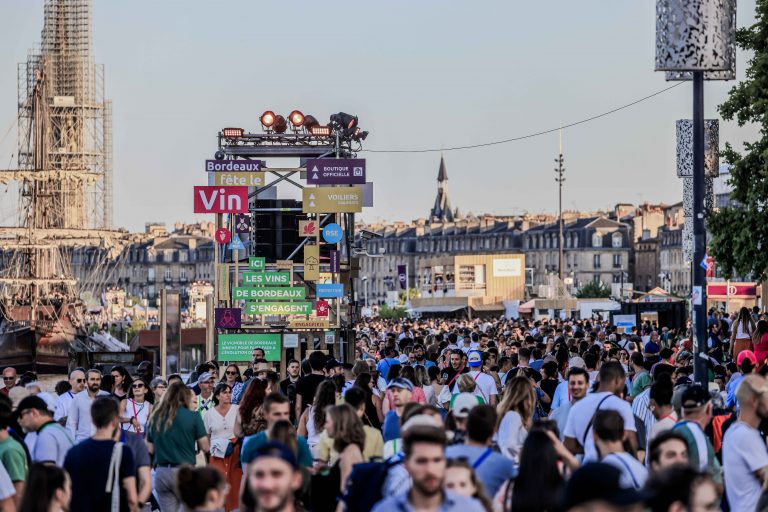
Rouges, rosés, blancs secs et doux... Découvrez la diversité des vins de Bordeaux, du plus fruité au plus intense
NOTRE PALETTE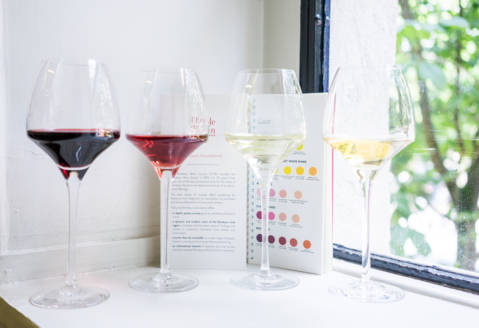
Le climat, la nature des sols et les cépages sont à l'origine de la diversité de nos appellations et de nos crus
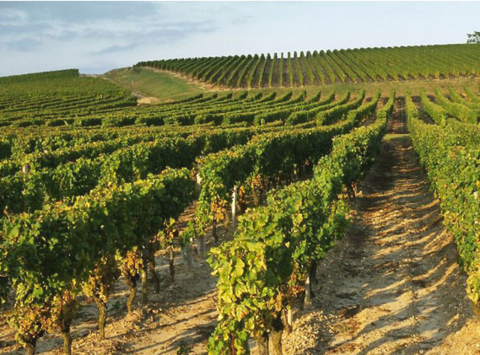
S'évader dans la région pour sillonner notre irrésistible vignoble et partir à la découverte de nos châteaux.
IRRESISTIBLE VIGNOBLE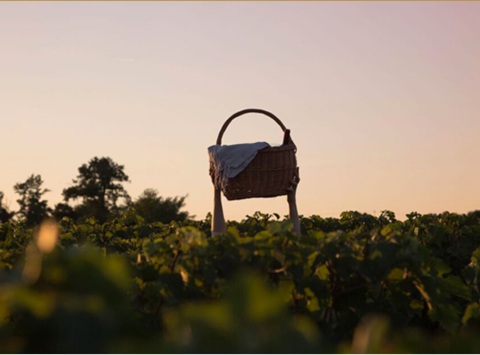
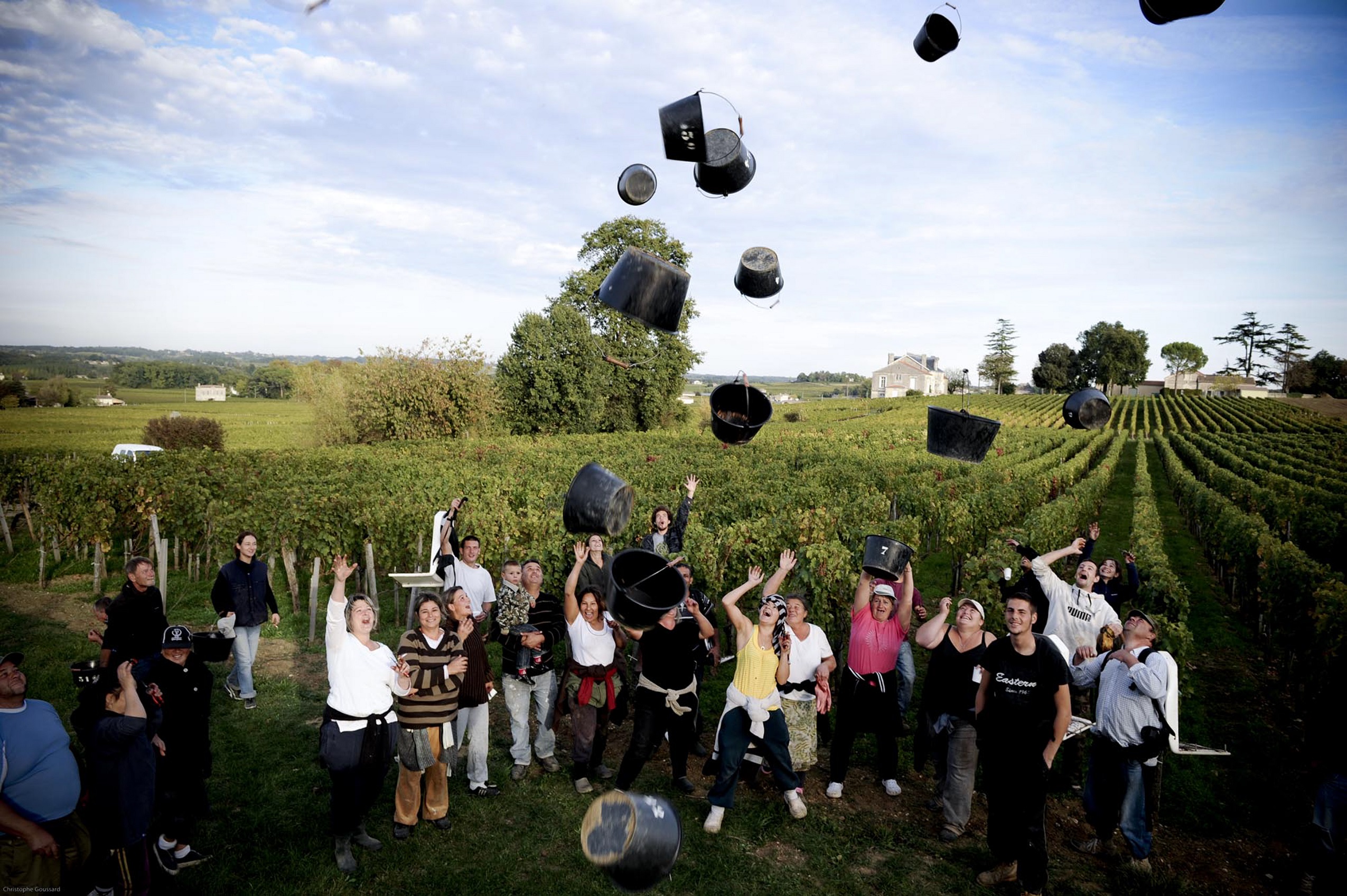
La passion de ces hommes et femmes qui perpétuent le savoir-faire " made in Bordeaux ".
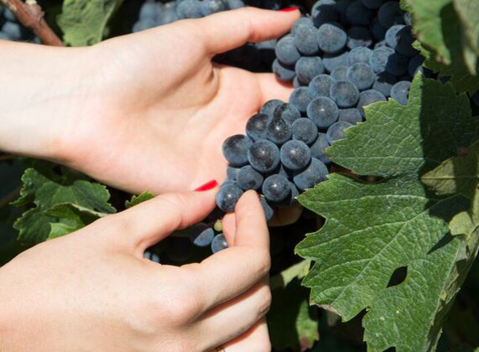
Taille, floraison, vendanges. Découvrez le cycle de la vigne et le savoir-faire des vignerons.
Les coulisses BIENVENUE SUR BORDEAUX.COM
EN VISITANT CE SITE, JE CERTIFIE QUE J’AI L’ÂGE LÉGAL POUR LA CONSOMMATION D’ALCOOL DANS MON PAYS DE RÉSIDENCE