Winemaking by
colour
How are dry white wines made in Bordeaux ?
Vinification for dry white Bordeaux begins in the vineyard: grapes are picked at the right moment — ripe yet vibrant — to preserve freshness and those delicate primary aromas. Once they reach the winery, the bunches are sorted, sometimes destemmed, then gently pressed to extract the juice without crushing the skins, keeping the future wine bright and expressive.
After settling, the juice is usually fermented at low temperature to lock in fruit purity and that trademark vivacity of Bordeaux dry whites. A second fermentation, the gentle malolactic fermentation, may follow; it softens the wine’s overall acidity. Ageing can then take place in stainless steel, concrete, amphora or oak barrels. Depending on the style, the wines may undergo lees stirring — or not — always with one aim: to elevate fruit and freshness.
Discover : Wine selection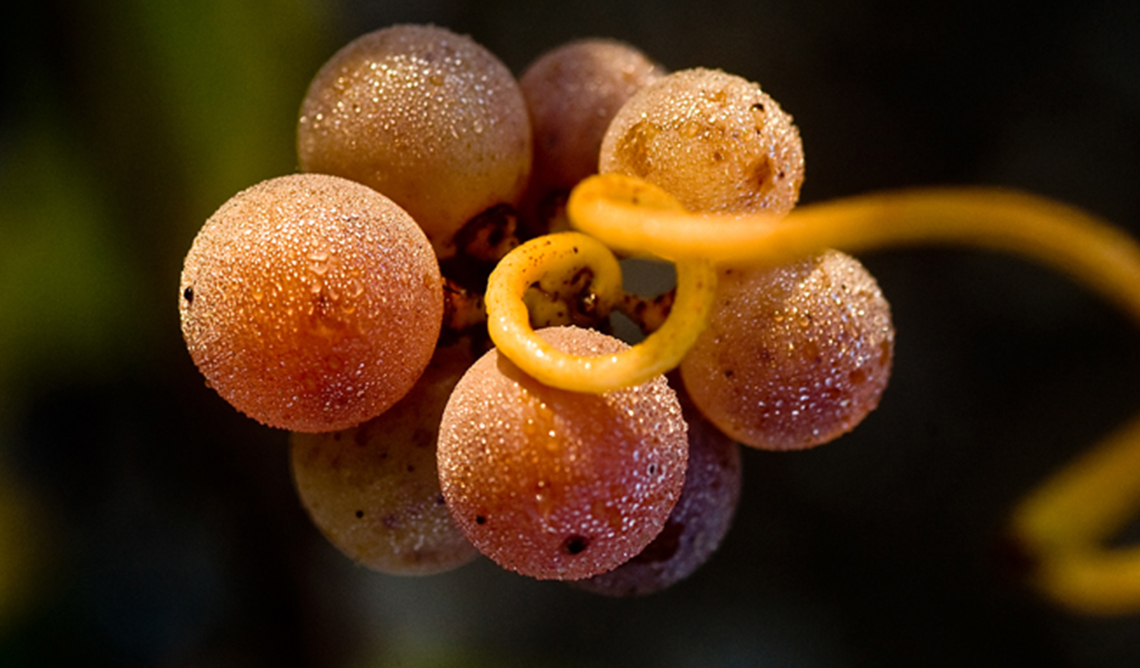
How are sweet white wines made in Bordeaux ?
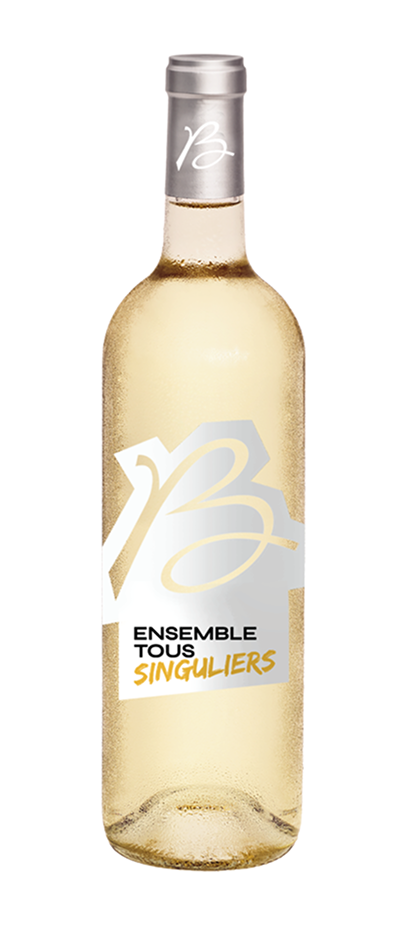
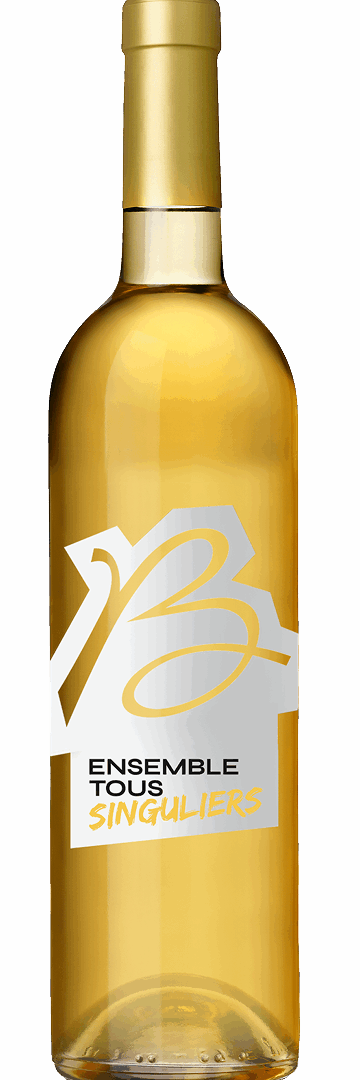
Crafting Bordeaux’s sweet and luscious whites is an art of patience and precision. It all begins with exceptionally ripe grapes, most of them touched by botrytis cinerea—the famed noble rot. This microscopic fungus gently dehydrates the berries, concentrating sugars, aromas and texture. Each cluster becomes a small, golden treasure chest of fragrance and flavour.
Once in the cellar, the grapes are handled with great care. They are gently—yet promptly—crushed whole, then pressed slowly, allowing the thick, golden juice to flow at its own pace. After a meticulous settling phase, fermentation begins. It moves gradually, preserving part of the natural sugars and giving the wine its hallmark roundness.
The young wine is then racked, cooled and protected for ageing. This maturation period is longer than for dry whites—and sometimes even longer than for certain reds—giving these “liquid gold” wines the time they need to refine their depth and complexity.
Discover : Wine selectionA little sweet know‑how : A dry white wine contains fewer than 4 g/L of residual sugar. Sweet wines naturally contain more. Moelleux whites range from 12 to 45 g/L, while liquoreux wines contain more than 45 g/L. And yes—all this sweetness is entirely natural.
How Are Red Bordeaux Wines MaDE ?
Red‑wine vinification begins with grapes that have dark skins but pale juice — it’s in those skins that the future wine’s colour and much of its structure are hiding. To draw out these pigments and tannins, the juice must first spend time in contact with the skins through a carefully managed maceration. Whether or not the bunches are destemmed, the key step comes quickly: gently crushing the berries. Then it’s straight into tank to begin maceration.
Why maceration ?
Because this is where colour (from anthocyanins), tannins and certain aromatic compounds are extracted from the skins. Winemakers have a whole toolkit of techniques to keep the cap moist, guide the extraction and maintain balance — remontage (pump‑overs), pigeage (punch‑downs), délestage (rack‑and‑return). Some methods are gentler, others more assertive, each shaping the final style.
Next comes alcoholic fermentation, when natural or added yeasts transform the grape sugars into alcohol. The grapes are then pressed, and the wine moves on to its second fermentation : malolactic fermentation*. Afterward, most cuvées undergo racking and clarification, separating the wine from its lees to refine texture and purity. Then the ageing begins — a few months to several years — allowing aromas, tannins and complexity to harmonise. Oak barrels, stainless steel, concrete, amphorae: each vessel has its own voice.
Discover : Wine selection*Malolactic fermentation is a natural secondary process in which lactic bacteria convert malic acid — the sharp, green‑apple‑like acid naturally present in grapes — into lactic acid, which is softer and creamier, like in yoghurt.
The result? Softer edges, a rounder mouthfeel and a more harmonious balance. Subtle notes of fresh butter, hazelnut or pastry may emerge. This second fermentation is essential in crafting red wines.
How Are Bordeaux Rosé and Clairet Wines Made ?
Rosé winemaking in Bordeaux follows two distinct paths: the classic Bordeaux Rosé and the region’s signature Clairet.
For Bordeaux Rosé, the juice can be obtained directly by gently pressing the grapes right after harvest. This immediate pressing produces a pale, bright juice with very little tannin — light, crisp, and delicately scented.
The other technique, more traditional, is saignée (the “bleeding” method). A portion of juice is drawn off from a tank of red grapes at the start of maceration. This simultaneously concentrates the remaining red wine and gives the extracted juice a subtle tint and vibrant aromatic profile.
Bordeaux Clairet, meanwhile, is a true local classic — a style that sits halfway between rosé and red wine, sometimes described as a “light red.” Here, the grapes spend more time on their skins, usually 24 to 36 hours, allowing for deeper color extraction and a rounder, more structured palate. The result is a vivid raspberry hue, supple texture, and gentle tannins, all wrapped in juicy, generous fruit.
In both styles, the winemaking revolves around one essential balance : capturing fruit, freshness, and just the right amount of extraction. The aim is to craft rosés that are charming, expressive, and wonderfully shareable from the very first glass.
Discover : Wine selectionStop the misconceptions:
Rosé wine is not a random mix of white wine and red wine. There you have it!”
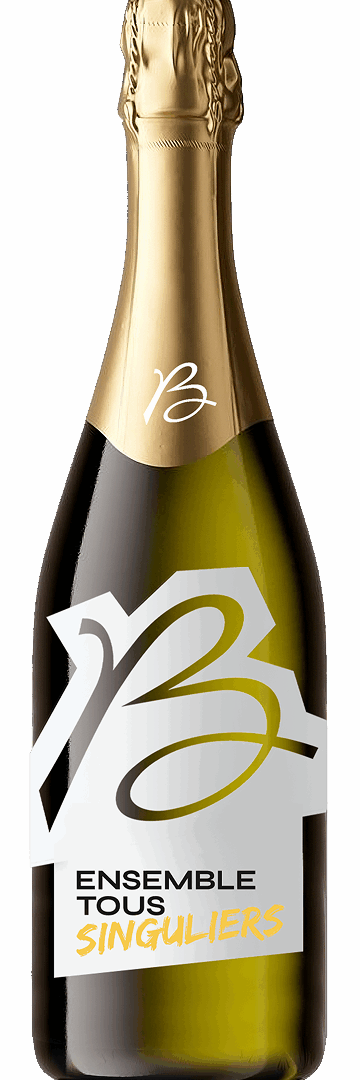
How Are Crémants de Bordeaux Made ?
Let’s start with a simple truth: Crémant de Bordeaux is crafted using the same method as Champagne — the méthode traditionnelle.
The production of Crémants de Bordeaux follows a meticulous savoir‑faire. White or red grapes are hand‑harvested at perfect maturity to preserve freshness and those delicate primary aromas. They’re transported in non‑airtight containers so the first free‑run juices can trickle out gently, keeping the fruit’s purity intact.
Once at the cellar, whole bunches go straight into the press — no crushing, no destemming. This gentle handling ensures a clear, pale juice with very low tannins, an essential base for crafting refined sparkling wines.
From there, the first fermentation takes place in tank, followed by the hallmark second fermentation in bottle — the step that creates those fine, persistent bubbles. The wine then rests sur lies for a minimum of 12 months, a requirement for the Crémant de Bordeaux appellation, building texture, depth and complexity.
The final stage is disgorgement, preparing the wine for release — and for celebrations of all kinds.
Discover : Wine selection