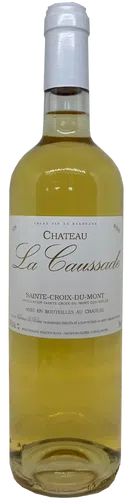
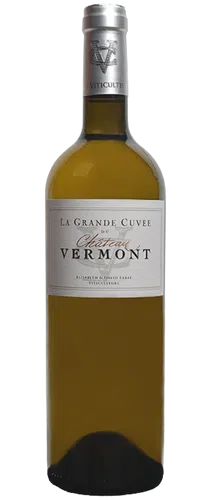
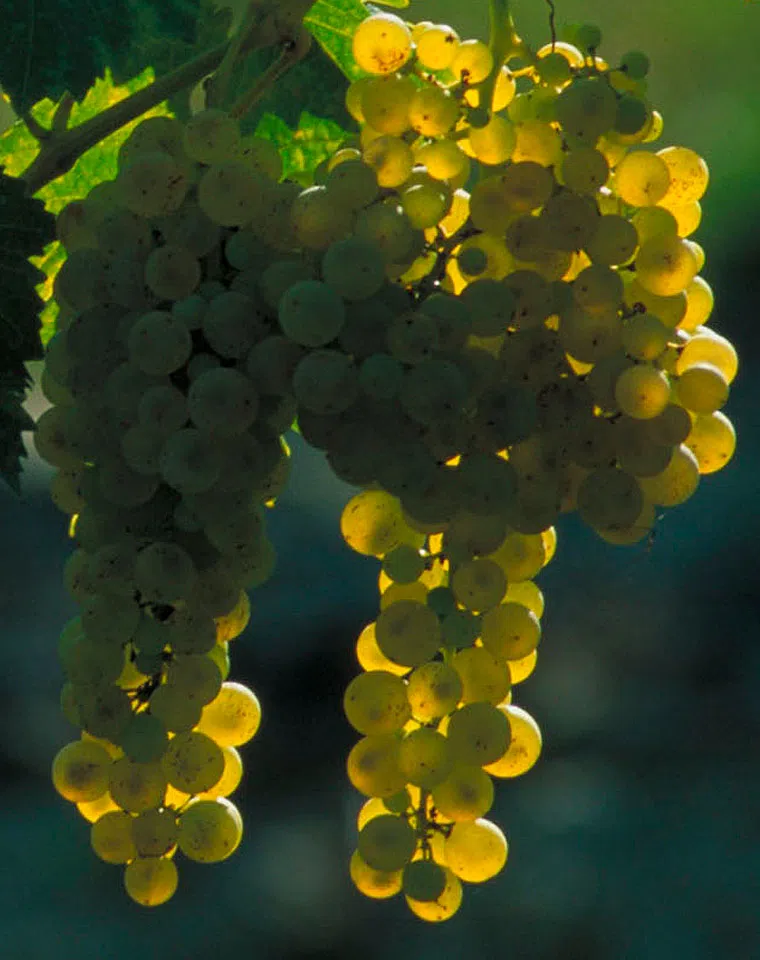
The sémillon, golden silk in a glass
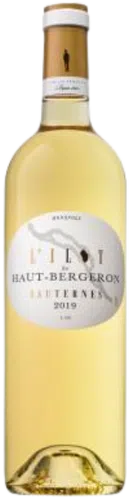
With its plump, round berries shimmering like tiny golden pearls, sémillon is a born charmer. Its superpower? Crafting irresistibly smooth moelleux and liquoreux whites — wines with incomparable texture and richness. No wonder it remains the unrivalled star of sweet wines in Bordeaux, while also proving a brilliant teammate in dry blends.
SENSORY PROFILE
Early
Late
Sweet
Acidic
Light
Powerful
Who’s BEHIND THE SKIN OF sémillon?
Sémillon holds a privileged place in the region: it accounts for 43% of all white plantings in the Bordeaux vineyard. Moderately vigorous and fairly early-ripening, it can be sensitive to spring frosts and summer droughts. What it loves above all else is its encounter with noble rot — the fungus Botrytis cinerea — which elevates it to pure magic.
The result? Sweet wines of remarkable quality: luscious, silky and intensely aromatic.
AND IN THE GLASS?
Sight
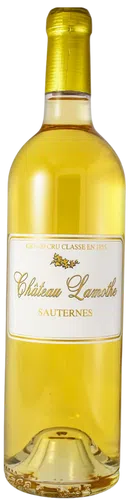
A golden hue with luminous highlights.
Nose
A feast of ripe fruit — pear, quince, mango, apricot — wrapped in honeyed notes and acacia blossom.
Palate
A generous volume, roundness and depth, with an endlessly persistent finish.
In a blend
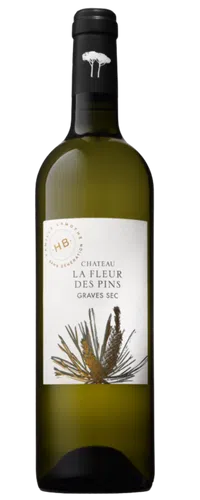
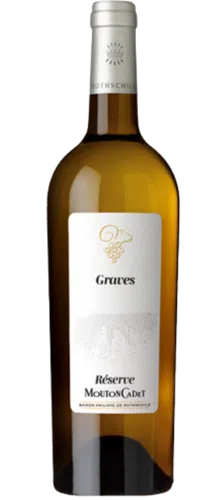
in sweet wines, it marries beautifully with sauvignon blanc and muscadelle. In dry whites, sauvignon blanc’s natural tension adds lift and balance to sémillon’s ample character and naturally low acidity.
THE KNOWLEDGE BOX
- Sémillon goes by many names: seminion in Bulgaria, chevrier, mansois or even sauternes.
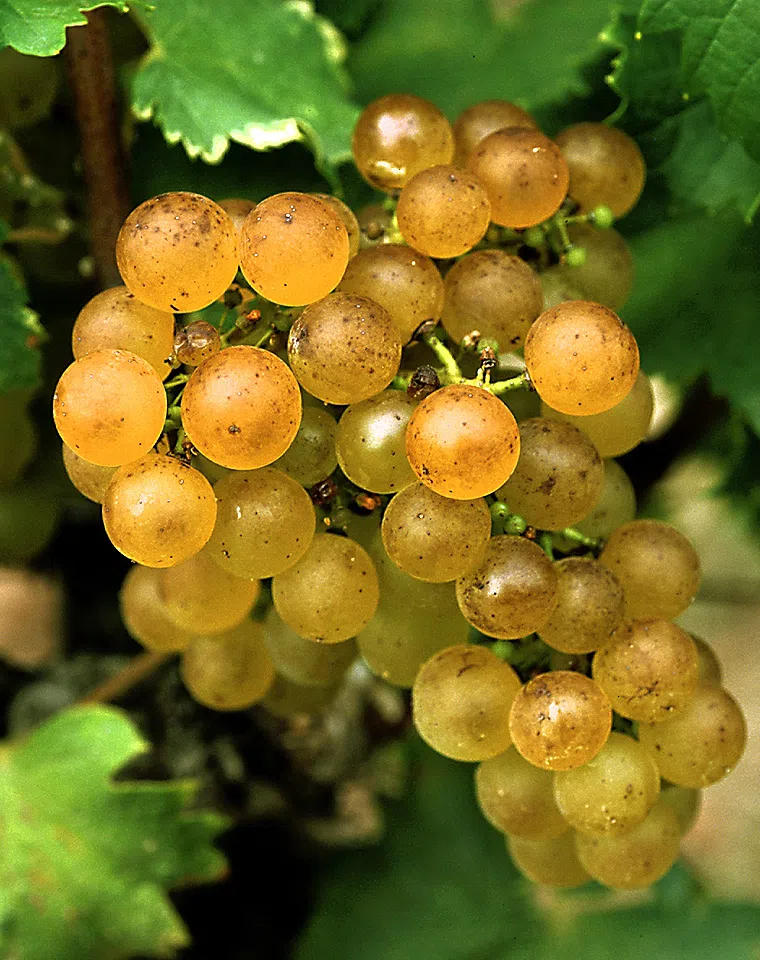
- Botrytis cinerea, also known as noble rot, is the secret behind its unforgettable sweet wines: the fungus gently dehydrates the berries, concentrating sugars and aromas.
- When vinified as a liquoreux, one single vine produces barely a glass of wine… compared with a full bottle for a dry white.
- Its impressive structure gives it excellent ageing potential.
- Its favourite blending partner: sauvignon blanc.

WHERE TO FIND
sémillon?
Everywhere across Bordeaux.
For moelleux and liquoreux, it thrives on gravel, clay‑limestone and shallow limestone soils, especially in Sauternes, Barsac and Cadillac.
For dry whites, it favours balanced soils — neither too dry nor too humid — where it can reveal its full, generous expression.
Other white grape varieties