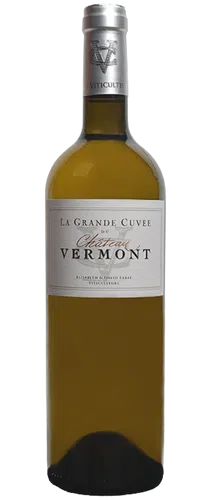
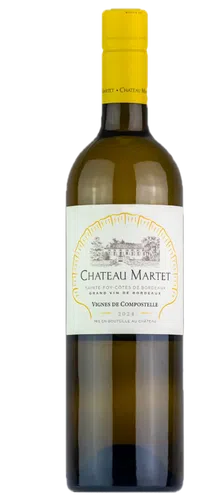
The sauvignon blanc, a real breath offresh air
Looking for a lift of freshness in your glass? That’s sauvignon blanc at work. Its signature: bright, zesty energy and a remarkably refined profile. Add to that three unmistakable aromatic markers — citrus, boxwood and fig leaf — and you have one of the clearest stylistic identities of Bordeaux’s dry whites.
SENSORY
PROFILE
Early
Late
Sweet
Acidic
Light
Powerful
WHO’s BEHIND THE skin OFsauvignon blanc?
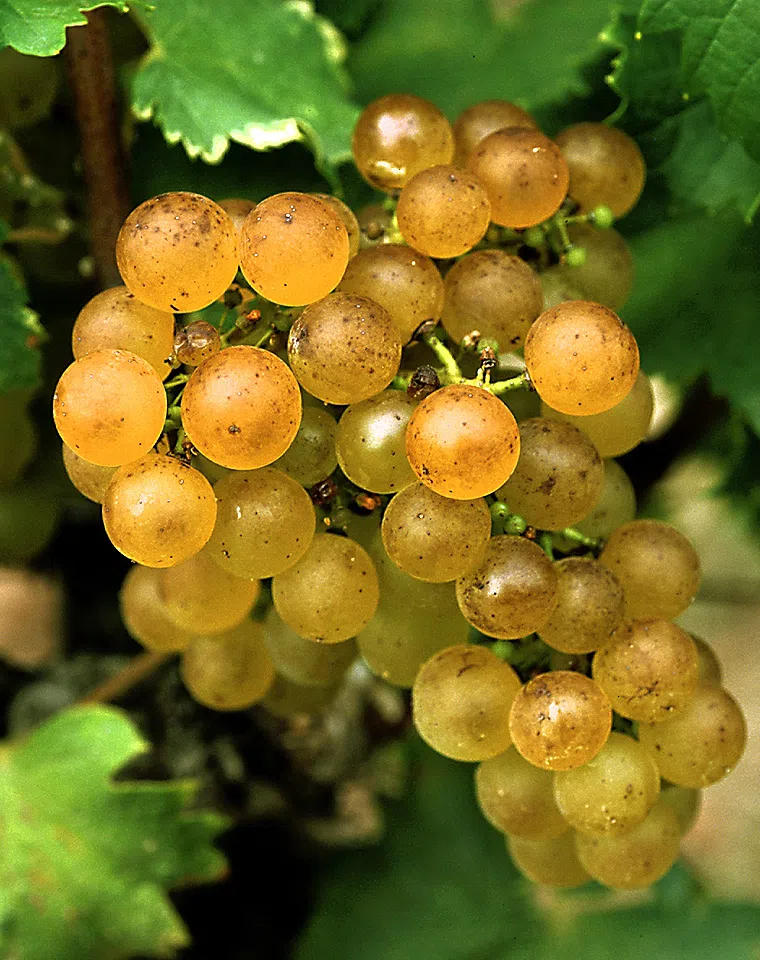
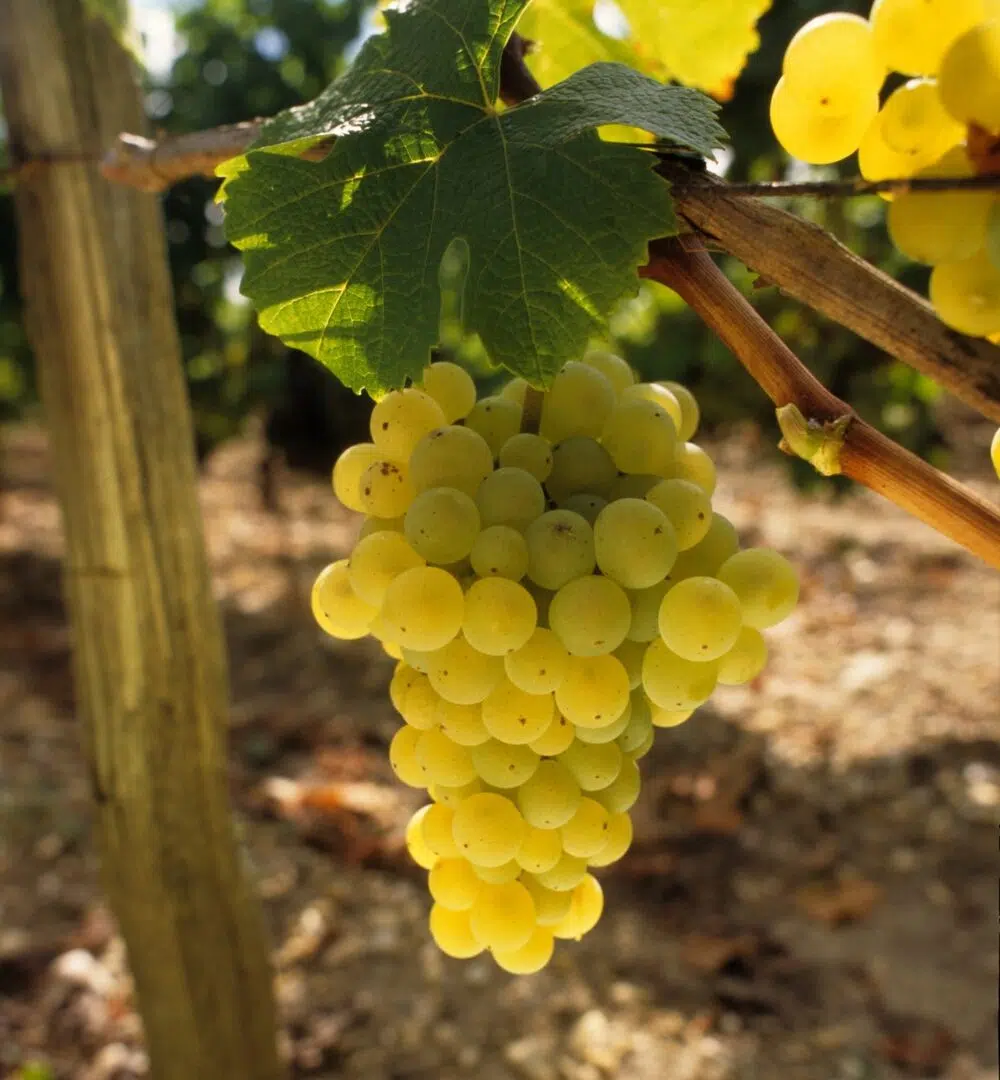
Accounting for 44% of Bordeaux’s white plantings, sauvignon blanc is anything but a minor player. Its small clusters and thick‑skinned berries ripen early, completing a short vegetative cycle. It shines in dry white wines, bringing tension, elegance and a highly recognisable aromatic spectrum. Sensitive to noble rot, it can also contribute beautifully to sweet wines.
AND IN
THE GLASS?
Sight
A pale, luminous straw‑yellow.
Nose
Pure freshness, led by citrus, boxwood and fig leaf, with exotic fruit in the background.
Palate
Bright acidity, a delicate mineral edge and an overall sense of finesse.
In blends
It pairs naturally with sémillon, which adds volume and texture — a duo that forms the backbone of many age‑worthy whites.
THE KNOWLEDGE BOX
- Sauvignon blanc is believed to have originated in Bordeaux.
- Its names vary across regions: sauvignon petit, sauvignon gris…
- Naturally vigorous, it must be carefully managed in the vineyard.
- It is sensitive to spring frost, oidium and trunk diseases.
- A global cépage, it often appears as a single‑varietal wine.
- It has excellent ageing potential.
- Barrel ageing reveals a deeper, more complex expression.

WHERE TO FIND
sauvignon blanc?
Everywhere in Bordeaux — with a strong presence in the Graves, the Entre‑deux‑Mers and Sauternes. For dry whites, it thrives on cool, well‑watered soils that help intensify its aromatics. For sweet wines, it expresses itself on gravel soils over shallow clay or limestone subsoils.
Other white grape varieties