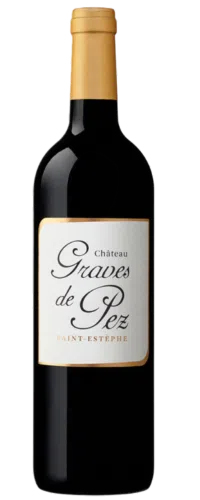
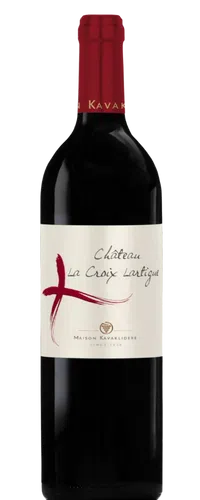
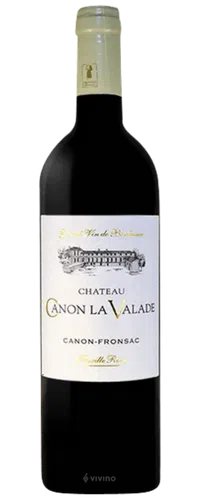
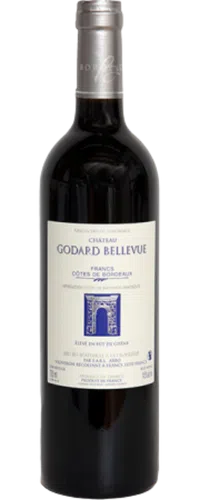
Cabernet sauvignon, the red with real backbone
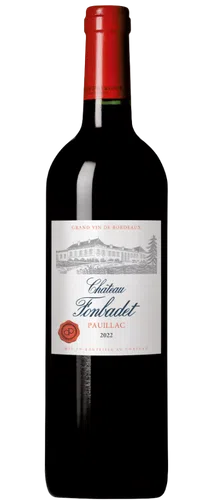
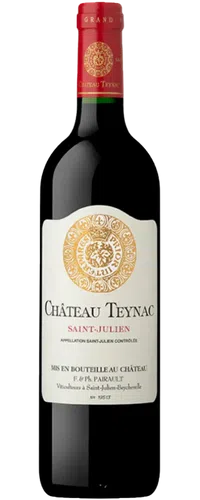
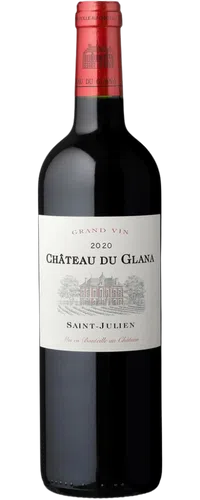
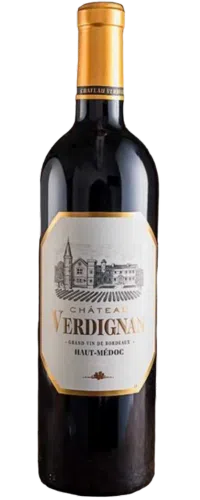
Here’s a grape that doesn’t do things halfway: powerful, structured, with beautifully assertive tannins that command respect. A master of ageing and a true lover of oak, it takes center stage in prestigious appellations such as Pauillac, Saint-Estèphe, and Margaux.
Sensory
profile
Early
Late
Sweet
Acidic
Light
Powerful
Who’s behind the skin of cabernet sauvignon?
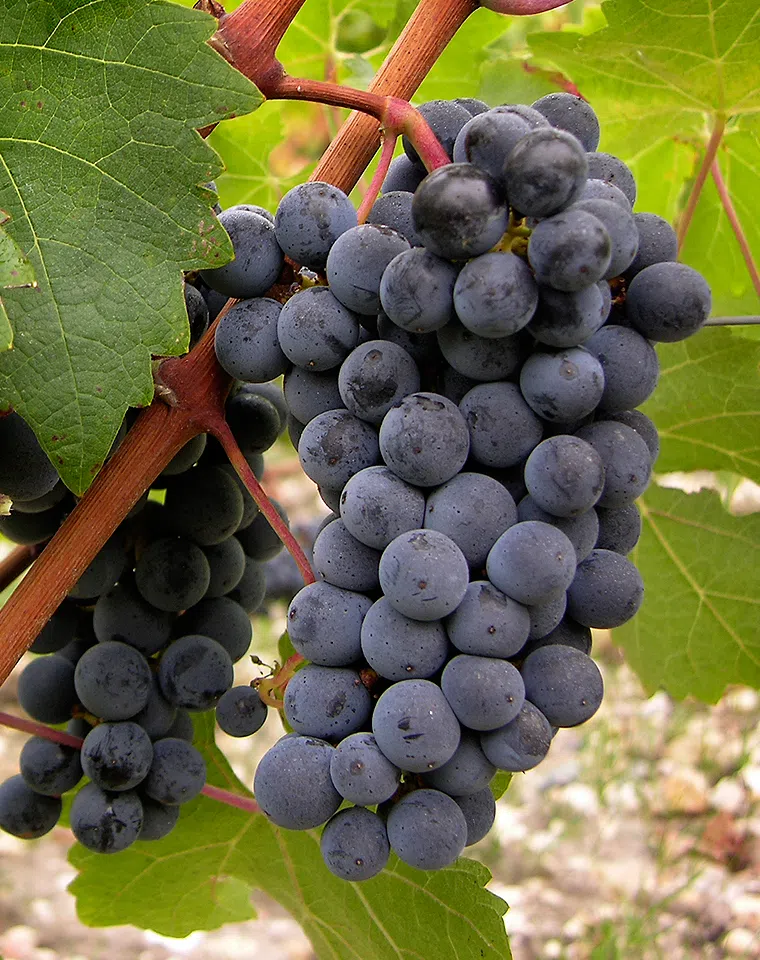
Small clusters, tiny berries… yet a personality that’s anything but small. Though sensitive to trunk diseases and powdery mildew, Cabernet Sauvignon remains a cornerstone of the Bordeaux vineyard, covering 22% of the region’s red plantings. A late-ripening cépage, it is usually harvested 7 to 12 days after Merlot. But it’s worth the wait: firm tannins, alluring black-fruit aromas, and irresistible spicy notes always stand out.
And in the glass?
Sight
a deep, intense colour that draws the eye like a magnet.
Nose
highly aromatic, with layers of cassis, licorice, mint… and, with time, a delicate hint of forest floor.
Palate
vigorous tannins and a proud, upright structure.
In blends
it forms a powerhouse duo with merlot, which brings finesse, silkiness, and roundness.
Good to know
- Cabernet Sauvignon belongs to the family of Carmenets, Bordeaux cépages whose name comes from the Latin carminium (“red”).
- An ancient Bordeaux variety, it is the natural offspring of Cabernet Franc and Sauvignon Blanc.
- Because it ripens late, it tends to produce wines with moderate alcohol levels.
- Often used in blends, it brings structure, depth, and power.
- Its superpower: tannins that make it one of the great cépages for long-ageing wines.

Where Does
cabernet sauvignon grow?
Almost everywhere in Bordeaux. But it thrives above all on the warm, gravelly soils of the Left Bank, especially in the Médoc and Graves. It is also found on the Right Bank, though to a lesser extent.
Other red grape varieties