All the grape varieties of Bordeaux
From one grape variety to another, differences lie in the shape of the leaves, the structure of the clusters, the colour of the berries, their composition and their aromas…
Over the centuries, growers have deepened their understanding of each variety, adapting them to their terroirs while working tirelessly to protect — and elevate — their expression.
Two signatures shaped in Bordeaux
A mosaic of grape varieties
Six main grape varieties — three red and three white — form the foundation of Bordeaux wines. A deep knowledge of the region’s soils has guided the evolution of plantings, helping growers choose the varieties best suited to revealing each terroir’s aromatic potential.
Complementary varieties, known as auxiliary grapes, are grown in smaller quantities and can enrich the wine’s character when blended.
Notes and aromas in a blended wine
One of Bordeaux’s defining traits is that its wines are most often born from a blend of several varieties, whose distinct aromas and personalities come together to create a unique whole.
Each grape has its own characteristics, its preferred terroir and microclimate. The mastery of this interplay — this art of complementarity — is what gives Bordeaux wines their singular identity.

Red grape
varieties
Distribution of red varieties

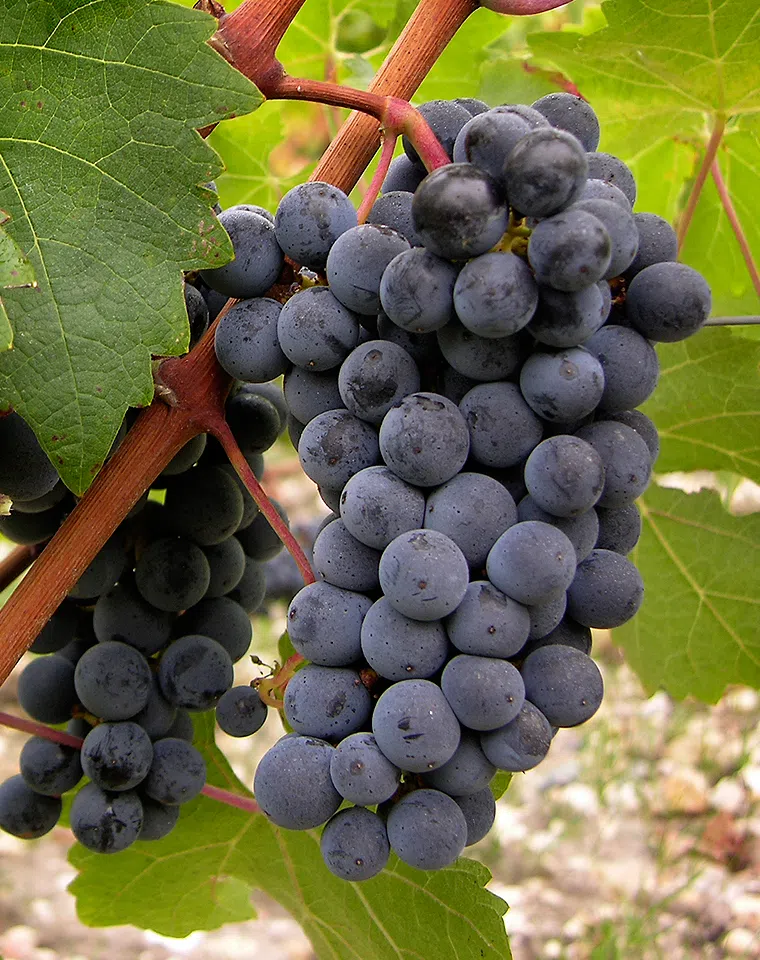

The other auxiliary grape varieties: 2% of the vineyard
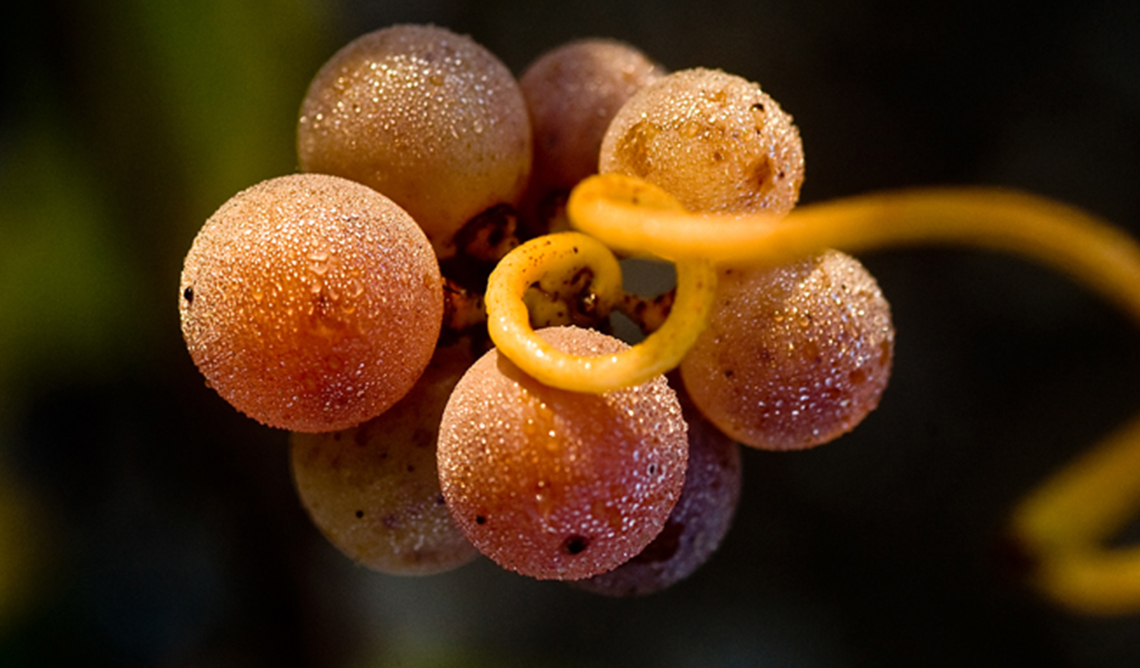

White grape
varieties
Distribution of white varieties
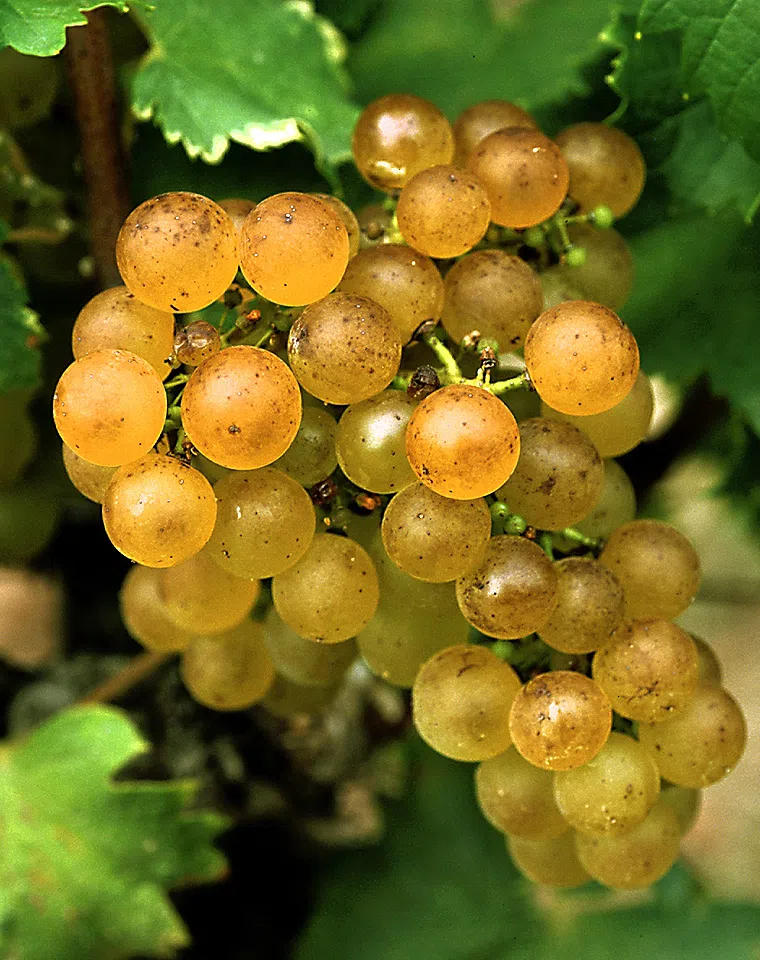

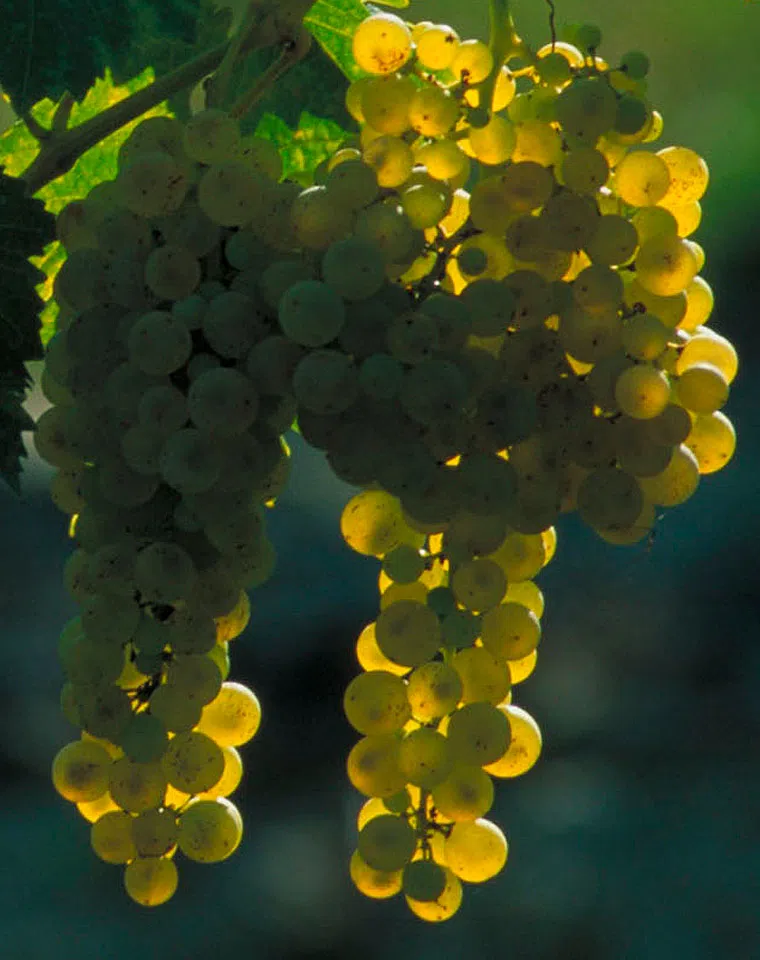
The other auxiliary grape varieties: 7% of the vineyard


