How to choose a white wine?
Did you know? Bordeaux is far more than a land of reds.
Its white wines have long found their own rhythm — fresh, generous, vibrant, sometimes silky, sometimes electric, yet always unmistakably characterful.
They express themselves through a mosaic of AOPs, cépages and winemaking traditions that reflect both the diversity of the terroirs and the people who craft them.
Dry, sweet, gently sparkling… every white wine reveals a different facet of the region.
Crisp, fruit‑driven cuvées for a spontaneous apéritif, structured whites for a more composed meal, luscious liquoreux to extend dessert, crémants to brighten an evening — there is always a Bordeaux white that fits the moment.
And because it’s easy to feel lost between dry, moelleux, liquoreux, still or sparkling, let’s break it down: how do you choose the right white wine?
Understanding the main families of white wine
Bonne nouvelle : tout commence par le goût.
PThe good news: everything starts with taste.
To find your direction, you simply need to understand the main styles and what sets them apart.
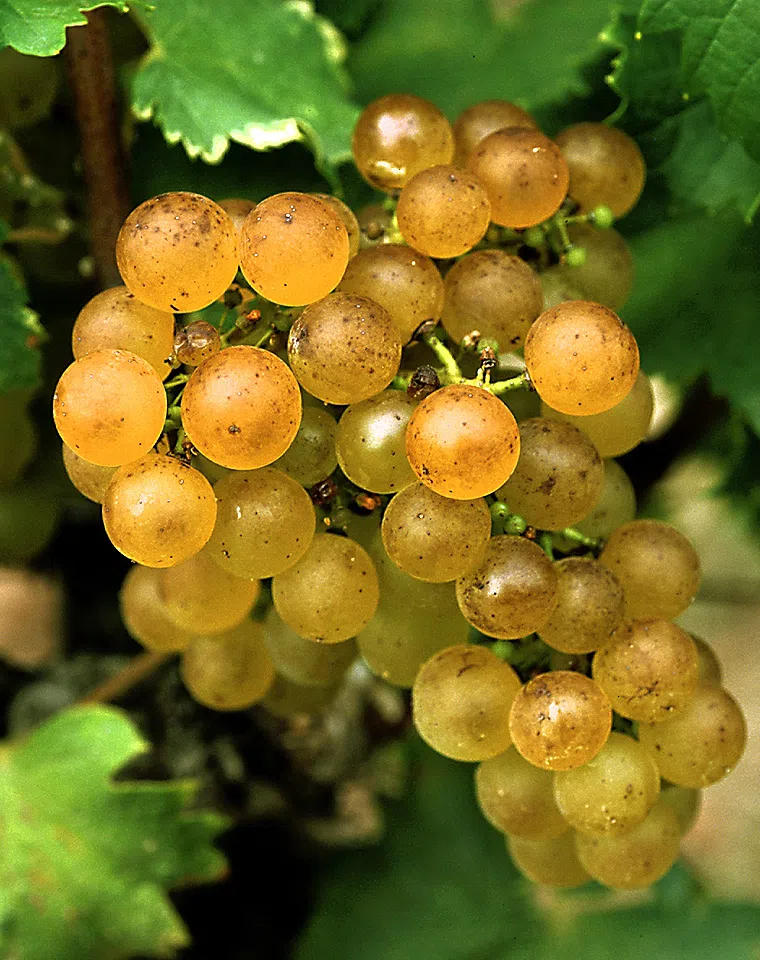
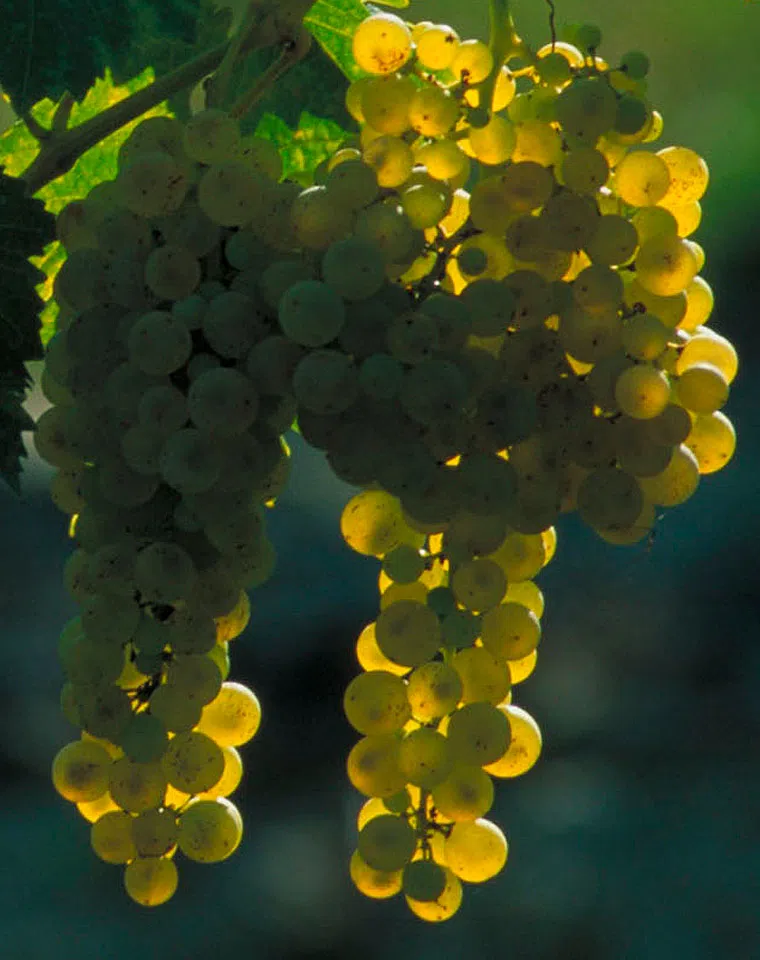
Bordeaux whites rely on three pillars:
- Sémillon (45%)
- Sauvignon Blanc (43%)
- Muscadelle (5%)
The remaining 7% comes from Colombard, Merlot Blanc, Sauvignon Gris and Ugni Blanc.
A line‑up that allows for strikingly diverse expressions: vibrant, mineral, textured, aromatic, supple… the playing field is wide.

Dry white wines: the pure expression of terroir
A dry white contains less than 2 g/L of residual sugar — a direct reading of the terroir, with no ornament.
With nearly 1,800 producers across 12 AOPs (Bordeaux, Entre‑Deux‑Mers, Graves, Blaye Côtes de Bordeaux…), the family of dry whites spans a broad spectrum:
- some crisp and fruit‑driven, marked by freshness and bright aromatics,
- others structured and generous, deeper, more persistent.
Two styles, two ways of reading the Bordeaux white landscape.
Sweet white wines: From moelleux to liquoreux
Here, residual sugar shapes an entirely different flavour map.
- Moelleux: 12–45 g/L
- Liquoreux: 45 g/L or more
Moelleux wines — Bordeaux Supérieur, Graves Supérieures, Premières Côtes de Bordeaux — deliver fruit‑driven aromas, sometimes exotic (pineapple, grapefruit).
Liquoreux wines — Loupiac, Sainte‑Croix‑du‑Mont, Cérons — climb in intensity and concentration: quince, honey, candied orange.
More suave textures, a more enveloping palate: another rhythm, another light.s suaves, bouche plus enveloppante : un autre rythme, une autre lumière.
Sparkling whites: fresh lively bubbles
Méthode traditionnelle oblige, les blancs effervescents bordelais jouent la caCrafted using the traditional method, Bordeaux’s white Crémants play the card of energy.
They stand out with:
- fine bubbles,
- citrus and acacia blossom aromatics,
- and a wide range of styles:
blanc de blancs, blanc de noirs, or blends of the two.
Each year, 211 winemakers produce these festive wines.
Most are brut, though some exist in demi‑sec for a softer profile.

Choosing your white wine based on the dish
The best reflex? Look at what’s on the menu.
You generally start with lighter cuvées before moving up in intensity — though wine loves exceptions.
White wines for apéritif
A deliberate first exception: sweet wine with foie gras.
Its silky texture pairs brilliantly with a liquoreux such as Sauternes, Cadillac or Barsac.
Other options:
- a Crémant de Bordeaux blanc for delicate bubbles,
- a young, fruity dry white (such as a Côtes de Blaye) with vegetable bites.
Simple, clear, effective.
White wines for starters and main courses
Fish, shellfish, seafood → naturally call for minerality.
A crisp dry white (e.g., Côtes de Bourg) works beautifully with oysters.
For a salmon terrine, you can shift to something rounder, like a Pessac‑Léognan.
Dry whites are also excellent partners for white meats:
- classic dishes in sauce (blanquette de veau),
- or more aromatic recipes (chicken curry).
The key: matching the texture of the dish with the structure of the winen.
White wine for cheese and dessert
For cheese:
- a sweet white with assertive cheeses (Roquefort, Bleu),
- a supple, aromatic dry white with younger cheeses (fresh goat’s cheese).
For dessert:
- a Crémant blanc to refresh the palate,
- a dry white with yellow or white fruits,
- a sweet wine with chocolate or exotic fruit.
To explore further: our full dish‑by‑dish pairing guide, and the workshops offered by the École du Vin de Bordeaux.