How to choosea red wine?
A Bordeaux red for every
palate
Bordeaux reds are masters of contrast — a portfolio that stretches from ancestral tradition to bold modernity. Here, red wines explore every register: organic cuvées, daring single‑varietal bottlings, classic blends shaped by heritage, fruit‑forward everyday wines, long‑ageing styles, lightly chilled reds, amphora‑aged experiments, grands crus… not to mention a constellation of micro‑cuvées crafted parcel by parcel.
Bordeaux never stops reinventing itself. For every mood, there’s a glass; for every moment, a perfect match.
Let’s introduce the family — from the most energetic to the most powerful.
4 key styles of bordeaux red
Below, you’ll find the four major profiles that shape today’s Bordeaux reds — each with its own personality, structure and ideal moments to shine.
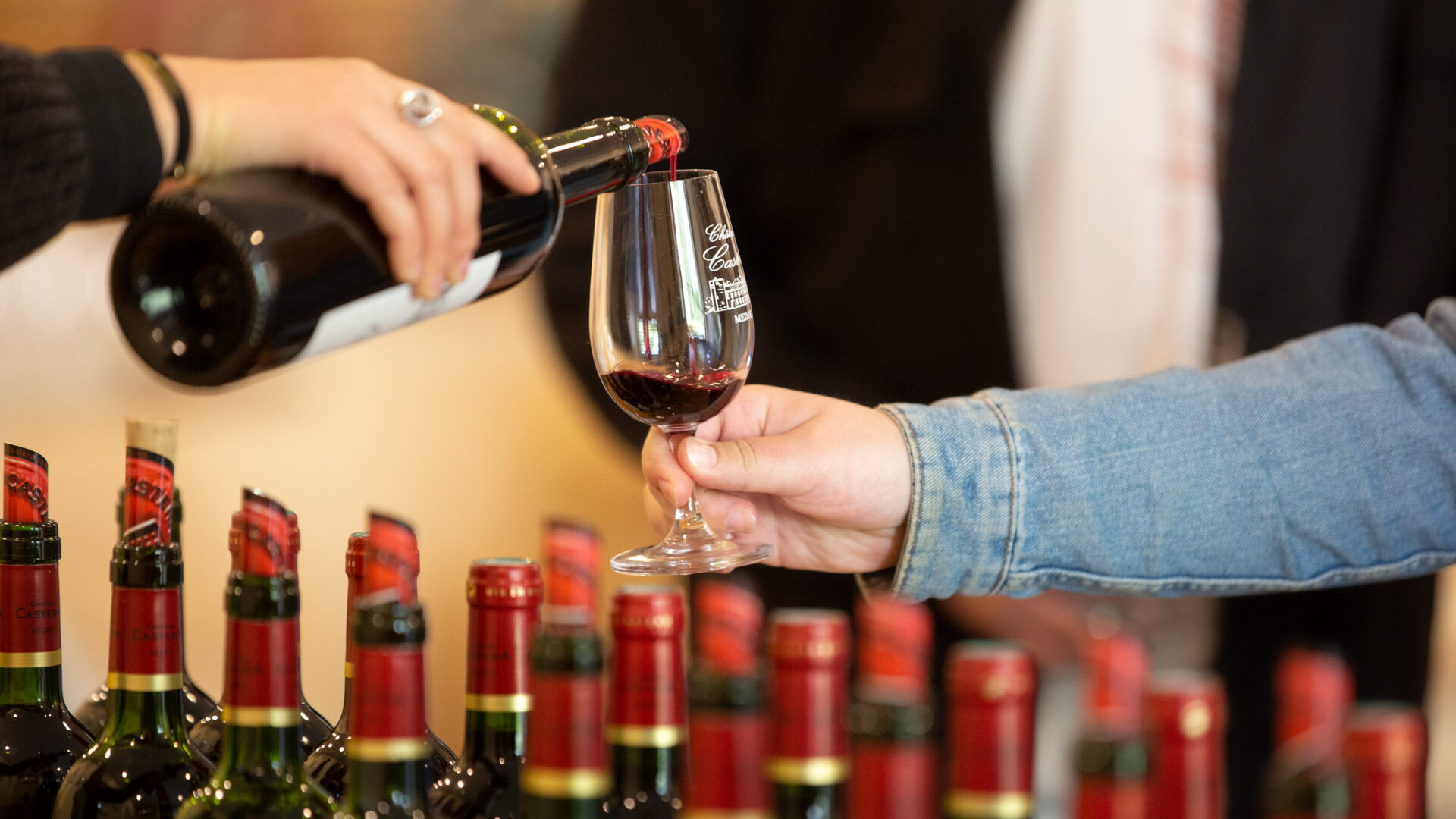
The light & fruity red
Personality
Here, it’s fruit, fruit… and more fruit. From the first sip to the last, you’ll find brightness, freshness and an easy, joyful energy. These are straightforward wines — nothing complicated, nothing overdone — yet they carry plenty of charm, aroma and texture.
Yes, they’re light, often thanks to shorter ageing, but they’re far from lacking character. What you’re looking for in these cuvées is purity of fruit, the vibrancy of primary aromas, and that mouthwatering, refreshing lift.
A typical approach in the cellar: picking the grapes early, followed by short ageing — sometimes in barrel (rarely new), but more often in stainless steel or concrete tanks.
How to recognize it
Visually, it’s tricky to classify — but look for a bright, luminous red.
On the nose, think fresh, tangy red fruits and wildflowers.
On the palate, softness and crisp freshness take the lead instantly.
Common aromatic families: young to lightly ripe fruits, crunchy red berries, fresh flowers, and sometimes a hint of fresh spice or herbal notes (mint, nutmeg).
In short: fresh, airy, ethereal aromas.
How to serve it
🌡 Between 14°C and 16°C — sometimes even slightly cooler!
Red wines are generally served between 14°C and 18°C to keep the palate comfortable. No need to put your bottle in the freezer, but lowering the temperature by a degree or two works wonders for these lighter styles: it sharpens their juicy crunch and highlights their playful primary fruit.
A practical tip: take the bottle out at 13–14°C, pour a glass, and let it warm gradually on the table — you’ll taste the aromatic spectrum open up as it rises in temperature.
With what to pair it
🍗 Perfect with: BBQ, lasagna, roast chicken, marinated vegetables…
Overall, this style fits your “right now” cravings — versatile, unfussy, always enjoyable.
🏠 When to drink it: With friends around a casual table, any season, no fuss required.
Can you age it?
Preferably 1 to 3 years.
It’s not that you can’t keep it longer, but these wines truly shine in their youth — they’re crafted to be enjoyed for their freshness and immediacy, not for long ageing.

The generous & silky red
Personality
This one is the band’s rock‑and‑roll spirit — not punk, but definitely the type that redraws a few Bordeaux rules on its way across the palate. Sitting between light and concentrated, it’s the style that knows how to take the best of its terroir. It calls for gentle, deliberate winemaking — sometimes in unconventional vessels — to let its fruit express itself freely, while building real density and a length that begins to linger in caudalies. A supple structure, a mouthfeel with presence, and a modern, confident charm.
How to recognize it
Visually, it’s a chameleon. But on the nose, you’ll find captivating aromas of ripe, expressive fruit. Generous both aromatically and on the palate, it stands out through its suppleness — if that trait dominates, you’re likely in the right family.
Common aromatic families: fruit from fresh to ripe, wild florals (violet, peony), soft and fragrant spices, and the beginnings of secondary notes — a hint of dairy tones or fresh leather. A versatile, surprising style with plenty of personality.
How to serve it
🌡 Between 15°C and 18°C.
Here, tannins begin to show more clearly. Serve it too cold and the tannins feel harsher; too warm and the wine can drift toward cooked or overly confit fruit. Delicious in their own place… just not here.
The sweet spot reveals both the gourmet aromatics and the wine’s natural balance.
With what to pair it
🍗 A wide playground of pairings: marinated octopus, mushroom omelette, and of course all kinds of red meats. It also works beautifully with carrots, sweet potatoes, roasted potatoes — this style is generous, flexible, and forgiving.
🏠 When to drink it:
Perfect at apéritif, yet equally at ease on a serious dinner table. It moves seamlessly between casual and refined settings.
Can you age it?
Yes, absolutely.
It’s delicious young but easily ages 5 to 10 years.
Its ageing potential stems from the intrinsic qualities of the grapes (acidity, tannins) and the winemaker’s choices (extraction, length of ageing, vessel). This “gourmand & élancé” profile is crafted to drink young and to evolve gracefully — enough structure to keep, enough charm to open now.

The concentrated & silky red
Personality
This style embodies Bordeaux in all its splendour and elegance — a kind of reference point, the baseline that anchors the region’s identity. What defines it above all is structured harmony: the balance between a firm, reliable backbone and the velvety, rounded edges shaped by the winemaker’s craft and the gentle influence of ageing. Here, we enter the realm of complexity — subtle layers of aromas, multiple textures, and a distinctive sense of depth.
How to recognize it
Expect concentration — in colour, in aroma, in presence. These are reds with deep, compelling hues and generous scents of ripe fruit. On the palate, balance is key: rounded tannins, density without heaviness, and a confident, harmonious structure.
Common aromatic families: a wide aromatic spectrum, almost limitless. Ripe to dark fruit, fresh to dried flowers, warm spices, emerging empyreumatic notes like gentle toast or tobacco, and sometimes refined woody undertones.
A style built on nuance.
How to serve it
🌡 Between 17°C and 18°C, and consider decanting before serving.
Here, tannins are clearly present — even when supple. To keep the palate comfortable, serving temperature is essential. Too cool and the tannins feel harsh; too warm and the aromas lose their finesse, turning heavy, with the alcohol seeming more pronounced.
Served properly, this style reveals its full potential — depth, elegance, and a satisfying, structured mouthfeel.
With what to pair it
🍗 With dishes that have real structure and flavour.
A gourmet burger, slow‑cooked dishes, richly seasoned recipes — anything that can stand alongside its presence. This is a wine that likes to sit at a proper table and join a full meal.
🏠 Best enjoyed at the table:
A seated dinner, a generous feast, a good restaurant — this wine calls for food, not a quick sip.
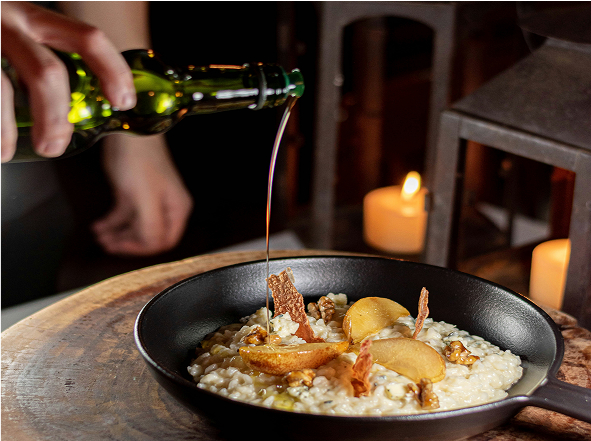
Can you age it?
Absolutely.
These wines can be enjoyed young, but ageing 5 to 10 years will only enhance their depth and complexity.
Ageing potential depends on natural grape qualities (acidity, tannins) as well as winemaking choices (extraction, ageing length, vessel). This concentrated & silky profile is deliberately crafted to age confidently — though more and more winemakers aim to create cuvées that shine in their youth too.

The complex & powerful red
Personality
This is the iconic profile of the region — the style that embodies its deepest tradition and mastery. A solid architecture, the ability to cross borders and decades, and a sense of power that never sacrifices finesse. These wines are born from great terroirs, where exceptional grapes give exceptional structure.
How to Recognize It
Often crafted from parcel‑selected or even micro‑parcel fruit, this style announces itself immediately: a deep, imposing colour and a nose we can truly call a bouquet. The aromatic range feels limitless, and the olfactory pleasure can be as intense as the tasting itself.
On the palate: firmness, refinement, well‑anchored tannins, and a finish that stretches on and on. A style that produces wines of genuine excellence.
Common aromatic families: evolved fruit, dried flowers, cigar box, warm spices, bay leaf, garrigue, a refreshing menthol lift, and elegant tertiary notes — toasted touches, undergrowth, mushrooms. A true feast for the senses.
How to serve it
🌡 Between 17°C and 18°C, and don’t hesitate to decant for a few hours.
Its firm tannic frame, complexity and power deserve care. Too cool, and tannins become more severe. Too warm, and aromas lose their precision, slipping into heaviness, with alcohol feeling more prominent.
Served at the right temperature, the wine reveals its full potential: depth, nuance and structure.
With what to pair it
🍗 Dishes with strong character.
Naturally red meats, but also firm‑fleshed white fish, couscous, mushroom‑based recipes or well‑roasted tender vegetables. Anything with intensity and savoury depth.
🏠 Best enjoyed at a proper table:
A seated meal, a great restaurant, or a generous dinner at home. This style simply needs food.
And why not linger over the last sips after the meal — the perfect moment for a little quiet reflection.
Can you age it?
Yes!
10, 15, even 20 years when stored properly.
Ageing potential depends on intrinsic grape qualities (acidity, tannin) as well as winemaking decisions (extraction, ageing length, vessel). This complex & powerful style is crafted to age confidently — often a decade, and in many cases two or more, depending on the cuvée and your storage conditions.

TO GO FURTHER: UNDERSTANDING THE RED GRAPES BEHIND BORDEAUX WINES
At the origin of red wine: the red cépages
In Bordeaux, making wine is above all the art of blending.
Each cépage plays its own part: one brings structure, another freshness or tension, another fruit, another roundness… Then come the terroir, the vintage, the climate and ripeness — completing the symphony.
The result: Bordeaux reds are born from a true interplay of cépages, coordinated by winemakers who act as orchestral conductors of the wine you eventually find in your glass.
The right reflex? JAlways look at the cépages in your cuvée.
They reveal precious clues about style and flavour.
- Merlot (66%), the region’s undisputed star, seduces with its roundness and generosity — juicy red‑fruit character, supple texture, natural charm.
- Cabernet Sauvignon (22%), one of Bordeaux’s pillars, brings tannic structure and intense aromas of dark fruit and spice.
- Cabernet Franc (9%), discreet but essential, offers finesse and elegance: floral notes, fresh red fruit, and — when you’re lucky — that remarkable hint of paprika.
- Petit Verdot (1.3%), often present in tiny proportions, yet impossible to miss: it adds power and a lifted violet note.
- For lovers of rare gems, Bordeaux also hides a few treasures (2.2%): Malbec, deeply coloured and dense on the palate, and Carménère, intense, fruity, spicy — a journey in itself.
Before you pour your glass: There are as many styles of red wines as there are hands crafting them.
Be open, be curious: explore the cépages, dive into the aromas and textures, and let yourself be carried into one of Bordeaux’s red‑wine worlds.
There is always a Bordeaux red made for you.


