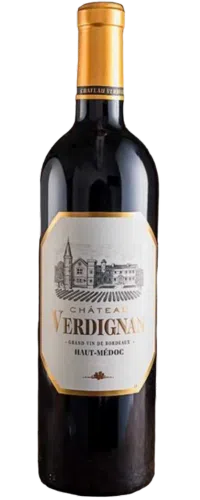
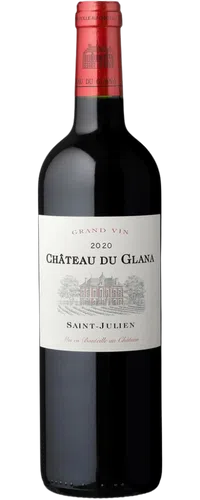
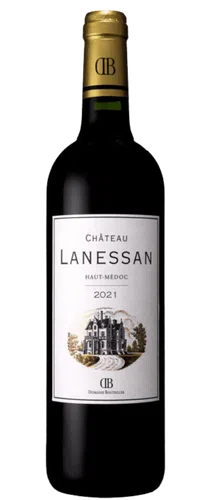
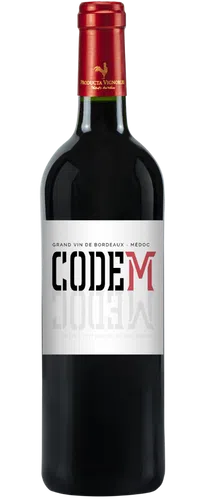
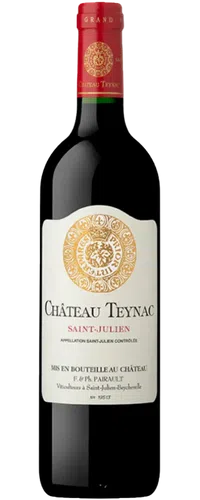
Saint-Julien, the crème de la crème of the bordeaux wine region
Small in size but big on talent: Saint-Julien is home to an impressive array of Classified Great Growths, whose names delight connoisseurs the world over. The secret behind its red wines and their unique character? An incredibly homogeneous terroir.
What is the Saint-Julien wine region?
Key points to remember
- 19 independent winegrowers across 910 hectares (i.e. 6% of the Médoc vineyards) in the commune of Saint-Julien-Beychevelle.
- A history of winegrowing along the Left Bank of the Gironde Estuary, which has a naturally protective role, resulting in fewer summer heatwaves and no winter frosts. The climate can vary slightly between plots, depending on the proximity of the river. Another major feature, this time beneath the vines: outstanding gravelly rises, which we will come back to later.
- 90% of production is carried out by 11 Great Growths in the 1855 classification, i.e. one of the highest concentrations in the Médoc. A magnificent feat!
Why do people love Saint-Julien and its wines?
- Because its prestigious wines never fail to please
- Because their highly distinctive style, combining power and finesse, is instantly recognizable
- Because they have this rare gift of elevating the simplicity of fine produce, like mature cheese or roast chicken
- Because they are the result of fine-tuned expertise, passed down with passion and high standards
- Because the architectural beauty of their historic châteaux only adds to their charm. Come and admire them to your heart’s content!

What is the Saint-Julien style?
Saint-Julien is the epitome of perfect balance in the glass: smooth and harmonious wines where aromatic finesse and a strong constitution go hand in hand with disconcerting ease.
An inimitable signature, which is instantly recognizable.
Starting with their lovely dark, almost black color. These wines have body, substance and a rich sappy mouthfeel which is what makes them so intense. Their tannins are silky, infinitely elegant and instantly melt in the mouth. A delicate and delicious range of flavors fill the palate: blueberry, blackcurrant, blackberry, prune, accompanied by tobacco, truffle and leather with age.
Wines tailored for cellaring – up to several decades for the greatest vintages.
Which kind of wines can be found in Saint-Julien?
Only red wines!
Cabernet Sauvignon sets the stage. It forms the backbone of these wines, which are smooth, deep, straightforward and age gracefully. Merlot envelops them with roundness, adding a velvety touch full of soul, typical of Saint-Julien.
Pour les gourmands : Nos accords mets-vins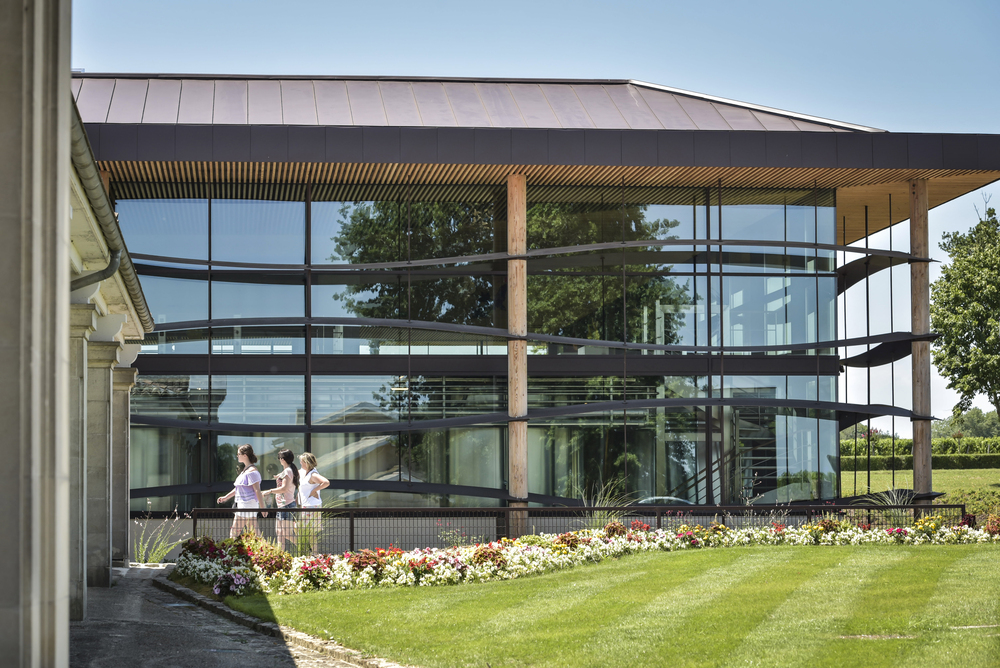
Fun facts
Three fun facts you need to know about Saint-Julien
Read on to discover the hidden characteristics of this delicious appellation.
1.
Let’s face it, Cabernet Sauvignon is king of these lands! Representing over 60% of the Saint-Julien vineyards, there is nowhere else in the Bordeaux wine region where this grape variety is grown in such proportions
2.
Under Henri III, the powerful Jean-Louis Nogaret de La Valette was, among other prestigious titles, Baron de Beychevelle. Legend has it that ships that passed by his château had to lower their sails as a sign of allegiance, hence the name “Baysse-Voile”, which later became Beychevelle. In fact, the real reason behind this maneuver probably was to allow the ships to enter the port during headwinds.
3.
The Saint-Julien estates are great both in prestige and size! In fact, large estates cover as much as 4/5 of the area under vine.
Let’s talk about the soil
The Saint-Julien terroir is remarkably homogeneous, with lovely rises consisting of large gravel carried by the Garonne River. These imposing stones, which act as natural radiators, capture heat during the day and release it at night, allowing the Cabernet Sauvignon to ripen slowly but surely.
s
The gravel layer of Saint-Julien-Beychevelle covers a large rectangular area 5 kilometers long and 3.5 kilometers wide, while the alluvial layer is split into several Garonne gravel rises from the early Quaternary period, ensuring optimal drainage. The result? The vine benefits from an ideal terroir, producing elegant and well-structured wines.


Let’s travel back in time
The first traces of a certain Saint Julien de Rintrac date back to the 8th century. Could he be the founding father of Saint-Julien?
En voir plus
Maybe! What is certain, however, is that the destiny of this terroir dramatically changed during the 17th century, when the local and Bordeaux aristocrats and Bourgeoisie realized its outstanding potential and decided to buy large plots of vines in the area.
The legacy of their enthusiasm is still visible today: large estates dominate the landscape around the villages of Beychevelle and Saint-Julien. And thanks to them, the magic lives on with elegant, powerful and consistent wines which Saint-Julien is famous for.