Saint-Estèphe, a large family of outstanding wines
If there were one word to light up the eyes of wine lovers, it would be “Saint-Estèphe”. And with good reason! Here, prestigious estates can be found alongside lesser-known ones, yet all share the same promise – to produce incredibly powerful and elegant red wines.
What is the Saint-Estèphe wine region?
Key points to remember
- A 1,200-hectare vineyard, representing 7.5% of the Médoc, with 69 estates and 1 cooperative cellar.
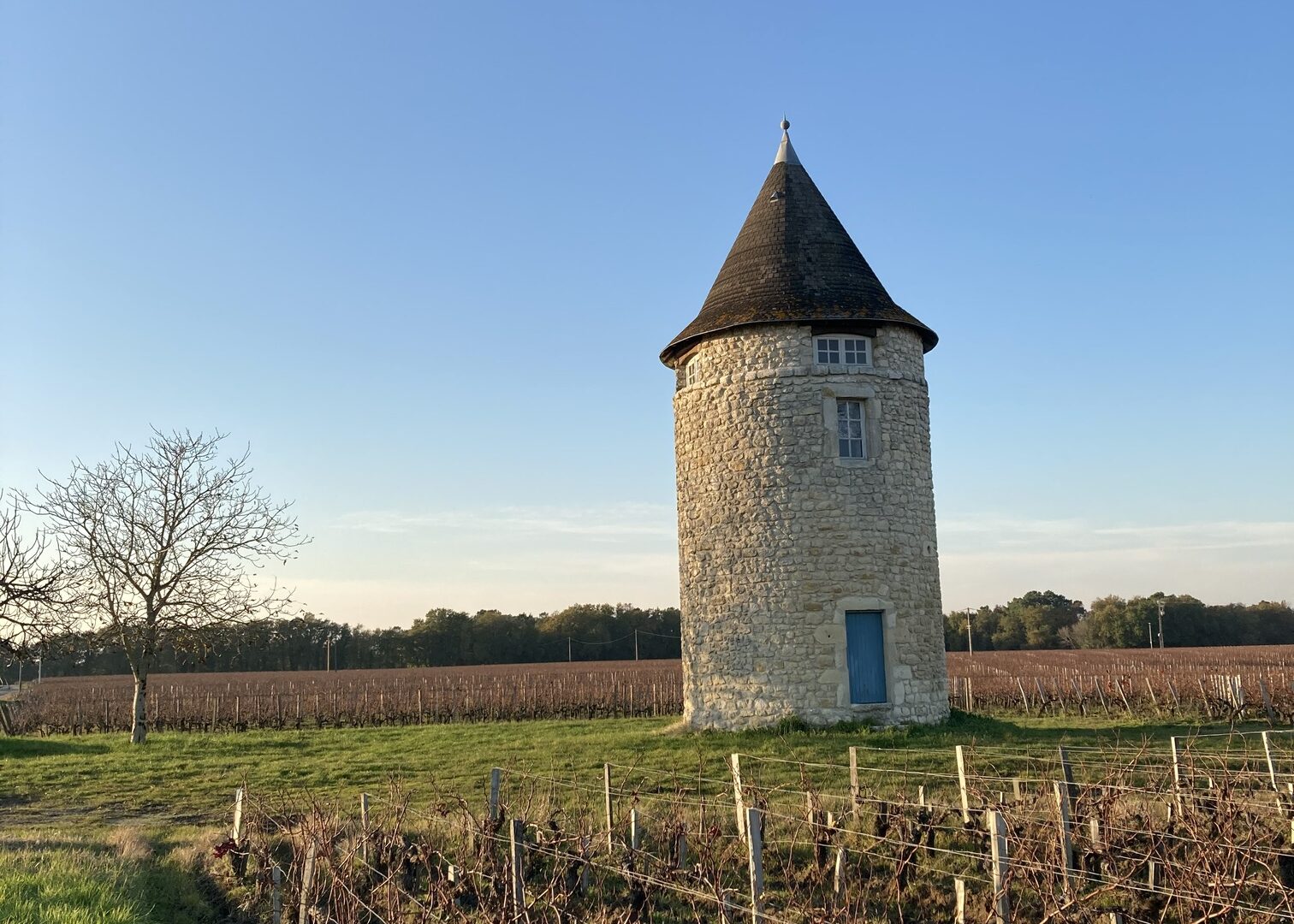
- Gravelly rises nestled between the Atlantic Ocean and the Gironde Estuary. In other words, a dream location offering a lovely mild climate, perfect for winegrowing. As for the terroir, meager and perfectly well-drained soils also contribute to the quality and typical characteristics which make this PDO so unique.
- Here you’ll find an abundance of outstanding great growths, with 5 Great Growths in the 1855 classification, 15 Crus Bourgeois, 3 Crus Artisans and around 30 reputed unclassified wines. What more could you ask for?!
Why do people love Saint-Estèphe and its wines?
- Because here, all kinds of wines are grouped under a single appellation: Crus Classés, Crus Bourgeois, Crus Artisans and even a cooperative cellar
- Because its wines combine elegance and structure, and their own unique soul
- Because they boast excellent aging potential
- Because they tell the story of passionate people for whom winegrowing is a way of life.
- Because as well as great châteaux, the appellation is home to little-known estates with 10 hectares of vines at most!
- Because the PDO’s Maison du Vin offers unforgettable wine tourism experiences from estate visits to free tastings and vineyard tours on foot and bike…
What is the
Saint-Estèphe style?
It is hard to reduce Saint-Estèphe to a single style, given the diversity of its microclimates and terroirs which produce wines with a whole host of nuances.
Their basis: incredibly powerful and elegant tannins
The nose unveils an infinitely elegant wealth of aromas with lovely fruity notes (blackcurrant, blackberry), as well as violet, mocha, vanilla, spices and licorice, to name a few.
These wines hit the spot even when very young thanks to their fine tannins, guaranteeing a delicious and well-balanced structure. Complex and full-bodied, they boast remarkable aging potential.
There’s no doubt about it: these wines are definitely worth cellaring a little (or a lot!) to ensure unforgettable tastings!
Which kind of wines can be found in Saint-Estèphe?
Red wines, of course!
In this wine region, Cabernet Sauvignon (50% of the area under vine) and Merlot (40%) take center stage. The first, a traditional Médoc grape variety, gives the wines structure and complexity. The second bestows roundness and smoothness. Not forgetting Cabernet Franc (7%) and Petit Verdot (3%), which add their own touch to the blend.
Pour les gourmands : Nos accords mets-vins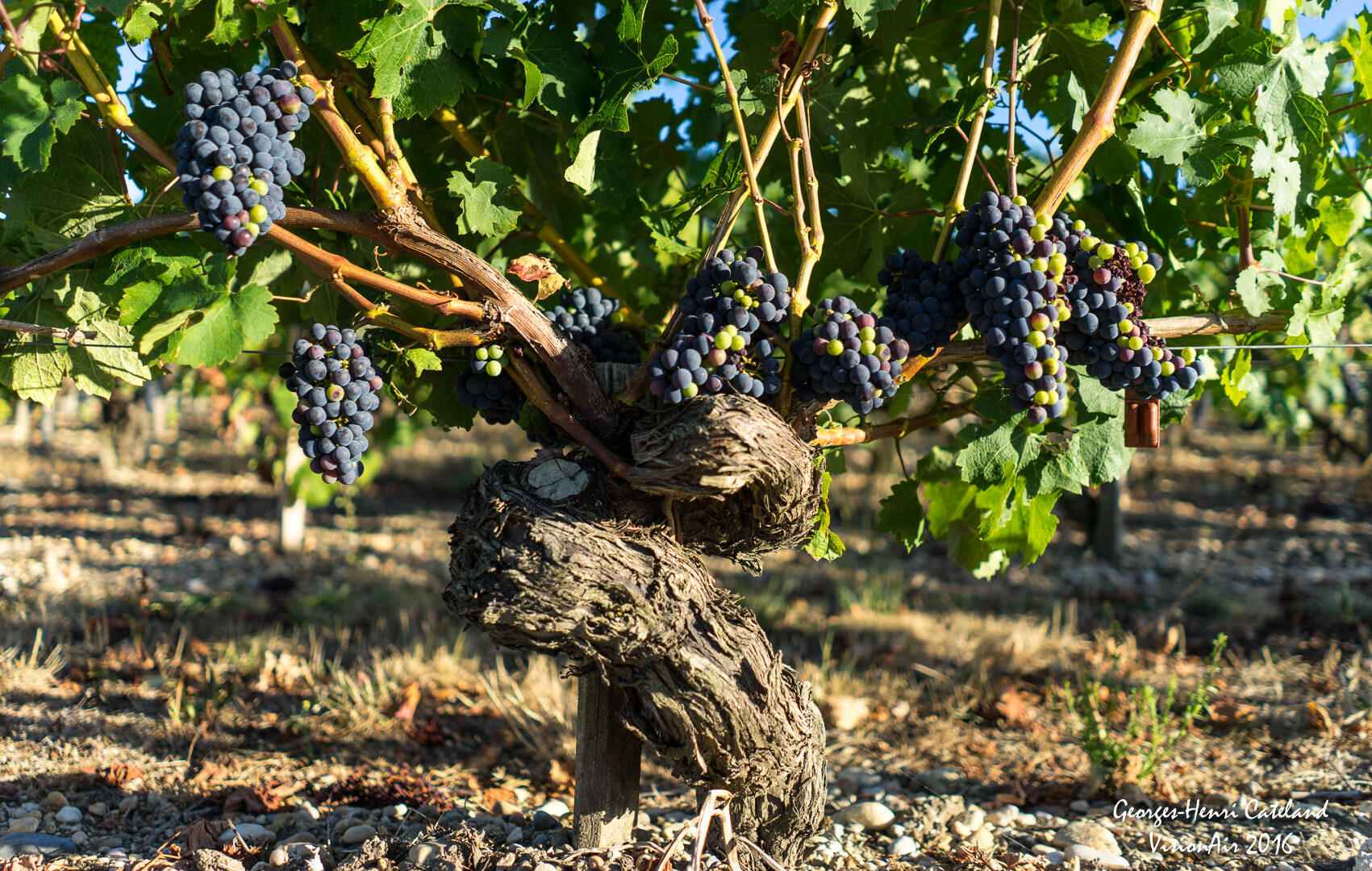
funfacts
Three fun facts you need to know about Saint-Estèphe
Read on for a behind-the-scenes glimpse into this unrivaled communal appellation.
1.
Louis Gaspard d’Estournel, who founded Château Cos d’Estournel in the 19th century, was nicknamed the “Maharajah of Saint-Estèphe”. Why, you may ask? Because of his inimitable flair for global trade, as well as the exotic architecture of his château, ranging from Chinese pagodas to antique carved Indian doors. A powerful symbol of the PDO’s international history!
2.
In the 18th century, the Marquis Nicolas-Alexandre de Ségur owned prestigious châteaux: Lafite and Latour in Pauillac… and Calon-Ségur in Saint-Estèphe. Despite the value of the two others, he was most attached to this estate, to whom he dedicated his famous phrase: “I make wine at Lafite and Latour, but my heart is in Calon.”
3.
Until the 18th century, Saint-Estèphe was named “Saint-Esteve de Calones”, with “de Calones” referring to the small local ships that transported wood – a nod to the nearby Garonne River.
Let’s talk about the soil
Small river stones, white quartz, as well as sandstone, flint, volcanic Lydian stones and millstones… One thing’s for sure, the PDO’s soils are made primarily from gravel!
En voir plus
This gravel, carried by the Garonne River millions of years ago, is combined with sandy-clay soils, the proportion of which varies from plot to plot. Meanwhile, the subsoil is composed of Saint-Estèphe’s famous marine limestone. A wonderful geological patchwork which explains the diversity of local landscapes… and that of their wines!


Let’s travel back in time
The first traces of activity in Saint-Estèphe date back to the Middle Bronze age, but the Romans were the ones to plant the first vines.
En voir plus
Winegrowing rapidly developed during the Middle Ages when the port of Saint-Estèphe bustled with life thanks to the wine trade.
In the 19th century, Bordeaux negociants took over in full force: by deciding to age and sell the wines themselves, they were the ones who put Saint-Estèphe on the international stage. During this prosperous period, the reputation of the wines was boosted and the great châteaux flourished. In 1936, Saint-Estèphe officially obtained PDO status: a recognition which sealed its identity and the undisputed quality of its wines, which are as powerful as they are elegant.