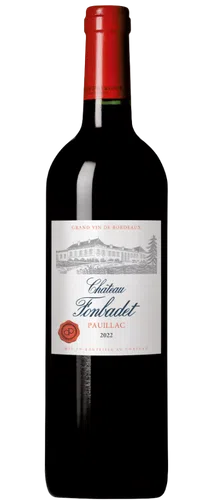
Pauillac, at the heart of the Grands crus
There’s no getting round it: simply mention the name Pauillac and many wine lovers will already be salivating. There’s a reason for that, because with its blend of legendary names and unsung heroes, Pauillac is the very embodiment of winegrowing excellence.
What is the Pauillac wine region?
Key points to remember
- The appellation was officially established in 1936
- 18 Grands Crus Classés in the 1855 classification (including 3 Premiers Crus), 1 Cru Bourgeois and 1 Winemaking Cooperative
- 1,220 hectares under vine, representing 7.5% of all vines in the Médoc, tended to by 47 winegrowers (independent châteaux, estates and cooperatives).
- A rolling landscape stretching out along the Left Bank of the Gironde Estuary, lending the appellation its unique geographical identity: in Pauillac, you feel close to the vines and the river at the same time. The soils are primarily composed of gravel, sand and clay – we’ll come back to this later, for those curious to learn more.
- And what about the local economy in Pauillac? As you’ve probably guessed, it’s all about wine around here. Specifically, the Pauillac Protected Designation of Origin.
Why do people love Pauillac and its wines?
- Because they’re so delicious, of course!
- Because they embody the Platonic ideal of great Bordeaux wines – powerfully-structured, but so complex that they make a magnificent match for simple dishes such as gnocchi drizzled with olive oil
- Because they bear the hallmarks of their terroir and the people that make them
- Because they defy comparison, and are often easy to spot in blind tastings – perfect for impressing your fellow tasters!
- Because Pauillac is a wine tourism Mecca, with magnificent châteaux where you can even spend the night
- Because the big-name labels are great, but don’t forget their second and third wines, which are as splendid as they are affordable

WHAT IS THE PAUILLAC
style?
Trying to sum up the wines of Pauillac in a few words is a frustrating business, but if pushed we would go for: powerful and elegant.
You can see the intensity just by looking at them in the glass.
These are broad-shouldered wines with great tannic structure, which nonetheless retain an unmissable aromatic elegance. The bouquet is teeming with flashes of black cherry, licorice, blackcurrant liqueur, rose petal, iris, cedar and incense…
In terms of texture, the Pauillac style is unmistakable: rich and robust, while maintaining that ineffable sense of elegance and finesse which has earned these wines a place at the tables of connoisseurs all over the world.
One thing worth bearing in mind: a good bottle of Pauillac will often benefit from being tucked away in the cellar for a few years.
Which kind of wines can be found in Pauillac?
Around here, it’s red and red only.
And cabernet sauvignon is king. Dominant though it may be, cabernet sauvignon doesn’t mind sharing its kingdom, and is often blended with merlot, cabernet franc and petit verdot to wonderful effect.
See also: Grape varieties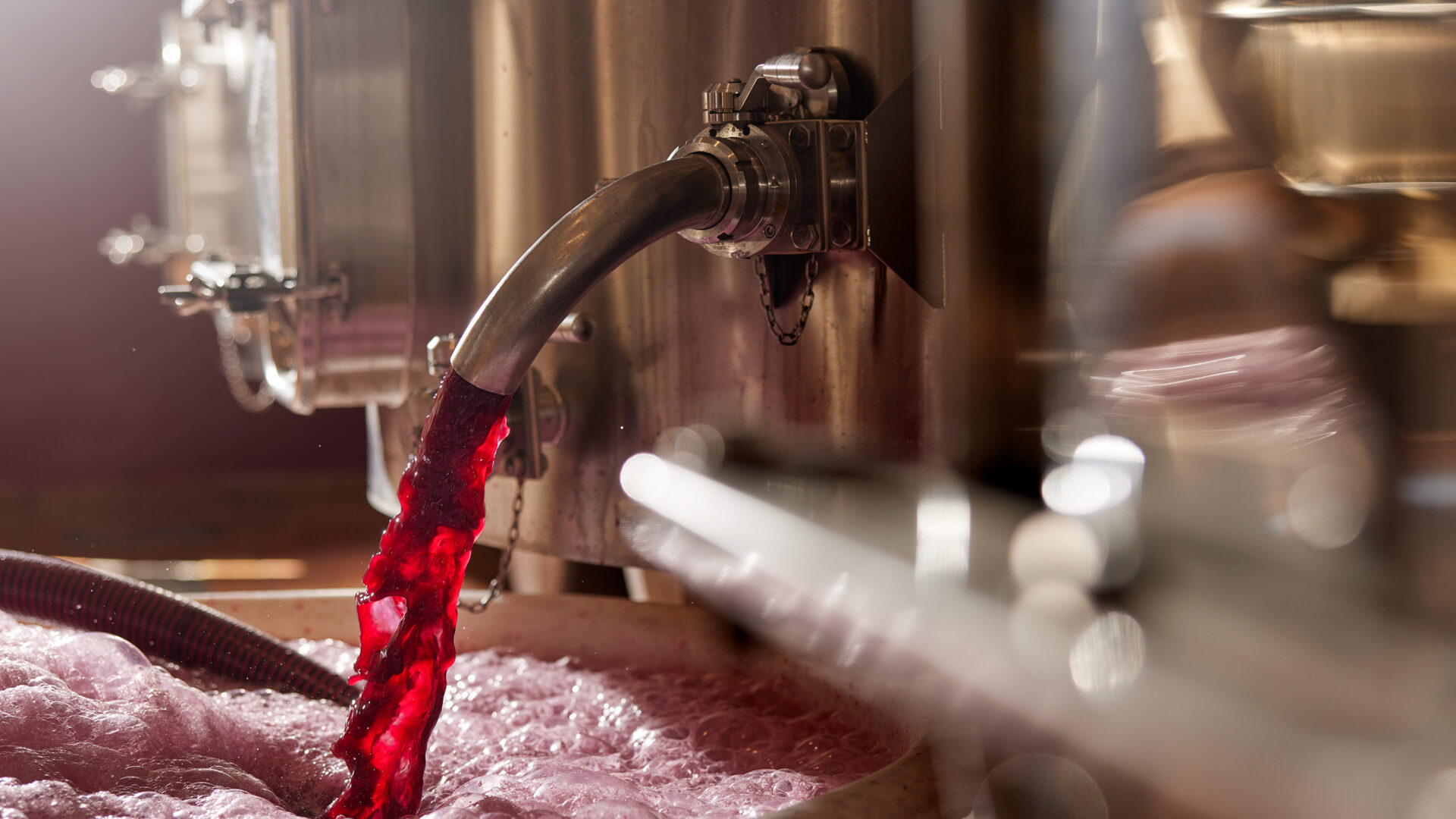
Fun facts
Three things you need to know about Pauillac
1.
Each September, Pauillac hosts the famous Médoc Marathon, nicknamed “the world’s longest marathon” because runners are invited to taste wine, cheese and even oysters at the feed stations which dot the course. That has to be worth the effort!
2.
The town isn’t just famous for its wine, either: Pauillac lamb has a PDO all of its own, and the tender, tasty meat is served at fine-dining restaurants.
3.
In the wake of the famous 1855 Classification of Bordeaux wines, Pauillac became the biggest star in the Médoc. This modestly-sized town is home to three of the five Premiers Grands Crus Classés (Château Lafite Rothschild, Château Latour and Château Mouton Rothschild). A concentration which put Pauillac firmly at the forefront of the global wine scene. Who can compete with such riches? In fact, 90% of Pauillac’s output (by volume) has Grand Cru Classé status.
Let’s talk about the soil
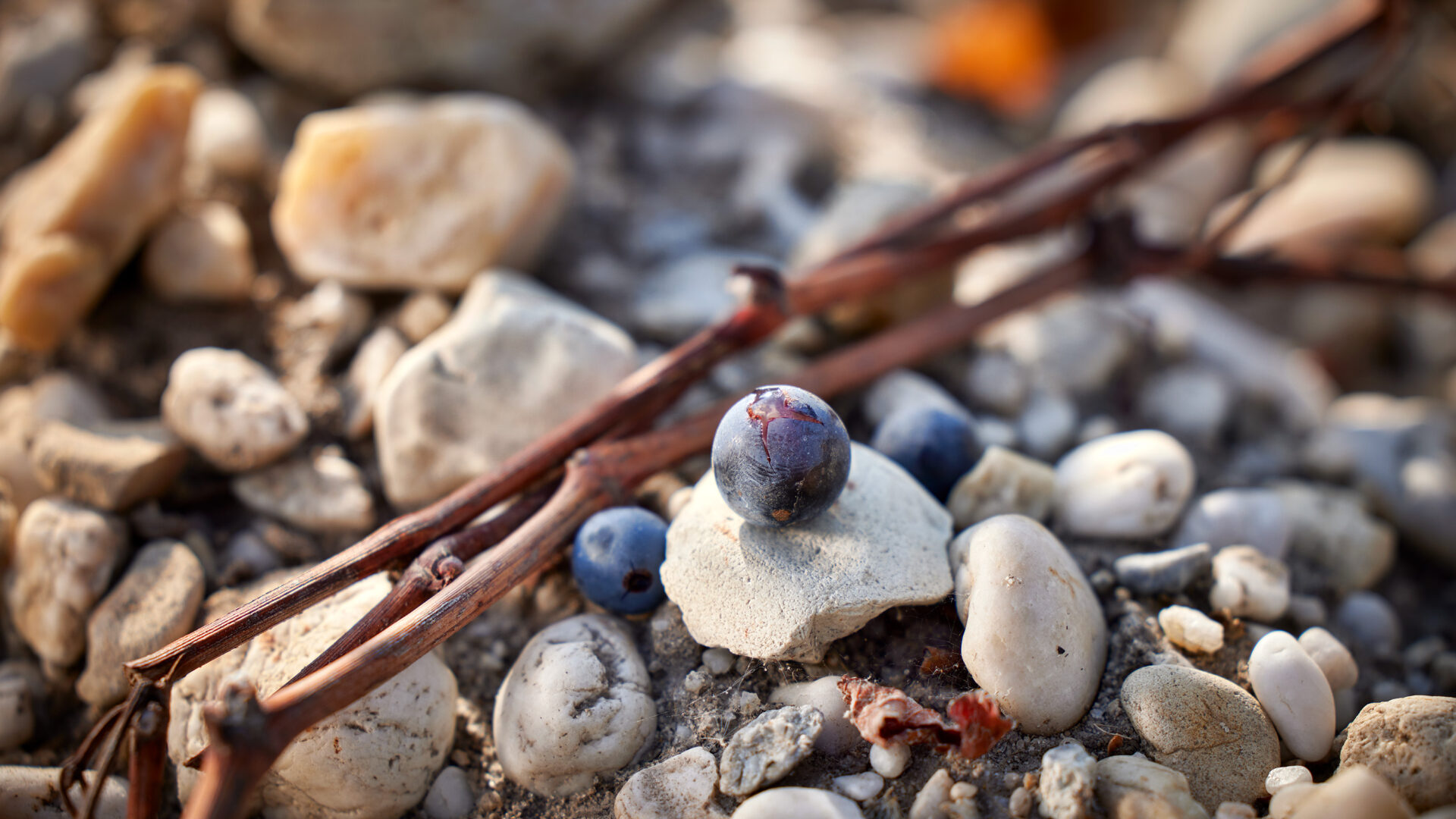
In Pauillac, the real secret is in the soil: the vines plunge their roots into a mixture of gravel, sand and clay carried down the Garonne River into the estuary over millions of years – much to our tasting pleasure.
En voir plus
The legendarily austere Garonne gravel is what gives the wines their pedigree, combined in perfect proportion with clay and sand that ensure exceptional drainage and force the vines to plunge their roots deep into the subsoil. The result? Peerless poise and concentration.
This natural cocktail produces wines of remarkable intensity, structure and elegance, with an aging potential that defies belief.


Let’s travel back in time
The port of Pauillac has been a window onto the world for more than 3,000 years. Bronze was already being shipped from here in ancient times, launching the town’s long tradition of travel, trade and innovation.
En voir plus
The port gradually became synonymous with wine, creating a unique alchemy. It was in the 18th century, when the city of Bordeaux lost its monopoly on trade with the English, that Pauillac truly came into its own. The town became the jewel of the Médoc, the point of departure for legendary wines whose fame would spread across vast oceans and resonate through the ages.
In the 19th century, Pauillac was at its apogee: prosperous, world-renowned and dotted with châteaux well on their way to achieving icon status. That history, and that adventurous spirit, are encapsulated in wines of great character, elegance and structure. The wines of Pauillac embody the soul of the Médoc with power and precision.