Margaux, the queen ofgreat growths
Margaux undoubtedly has an elusive charm which makes all the difference. Its elegant, feminine style is quite simply irresistible. Resolutely unique, this red wine appellation boasts the highest number of Great growths in the 1855 classification. The epitome of Médoc grace.
What is the Margaux wine region?
Key points to remember
- 1,500 hectares bringing together 62 estates from all horizons: Great growths in the 1855 classification, Crus Bourgeois and Crus Artisans. A real treat for all red wine lovers!
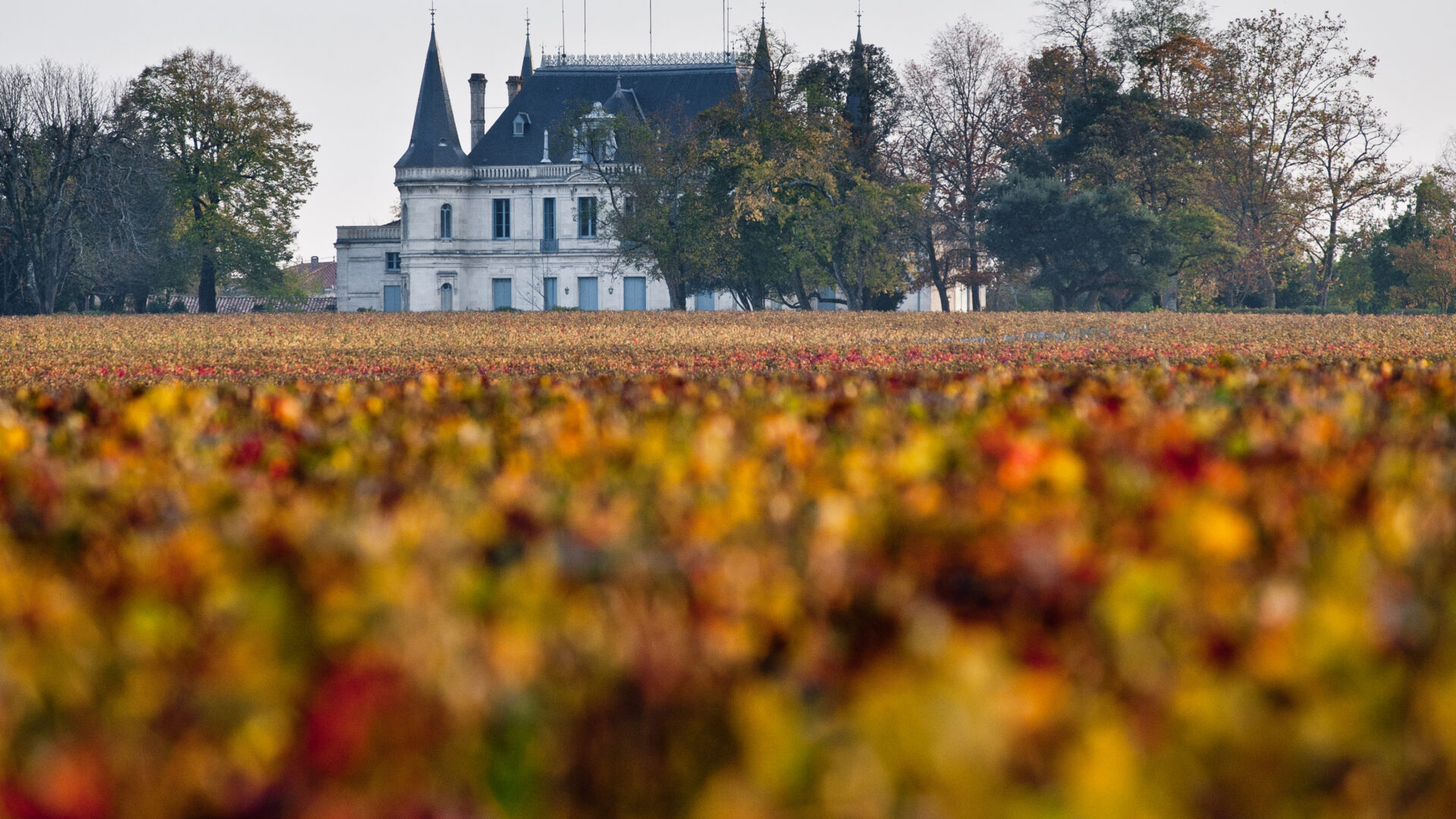
- Diverse landscapes stretching across 4 communes (Arsac, Labarde, Margaux-Cantenac and Soussans), between the Atlantic Ocean and the Gironde Estuary: from gravelly rises to woods and prairies… All in all, an incredibly charming backdrop ideal for growing vines.
- Superb architecture and must-see estates of all sizes, which are often family-owned and passed down from one generation to the next.
Why do people love Margaux and its wines?
- Because it is the only Médoc PDO where you can find the full range of Great Growths in the 1855 classification, from the First Growth (its world-famous Château Margaux) to Fifth Growths
- Because it is resolutely turned towards the future with its “Margaux Terroir de Biodiversité” strategy which encourages most of the PDO to embrace practices promoting local biodiversity
- Because its high-quality wines have excellent aging potential, so much so that they are well worth the wait!
- Because Margaux wines are perfect for celebrations and get-togethers
- Because nothing beats touring the wine road on a summer’s day and admiring the remarkable architecture of the region’s châteaux
- Because all the girls named Margaux are the official ambassadors of the PDO thanks to their parents who loved its wines so much that they found inspiration in them!
What is the
Margaux style?
It is often said that Margaux wines are “the most feminine” of the Médoc. A coincidence? Of course not, since these wines are the epitome of delicacy, smooth tannins and fruity notes.
Their finesse, harmony and elegance win over wine lovers from the very first sip
But that’s not all. Margaux wines know how to age gracefully thanks to the appellation’s terroir and meager soils, which bestow them with tannins that withstand the test of time. Another specificity: their exceptional diversity. Each wine proudly shows off its own personality. While they all share the same profile, each wine stands out thanks to its own substance and diverse aromas.
From one château to the next, they all have their own unique expression
Which kind of wines can be found in Margaux?
100% red wines!
Six grape varieties share the spotlight: Cabernet Sauvignon, the undisputed king of the region, adds power and structure. Fruitier Merlot provides roundness and lovely aromas. Petit Verdot brings a touch of freshness while Cabernet Franc, Malbec and Carménère remain more discreet, having been trialed in estates including Château des Graviers and Château Kirwan.
Pour les gourmands : Nos accords mets-vins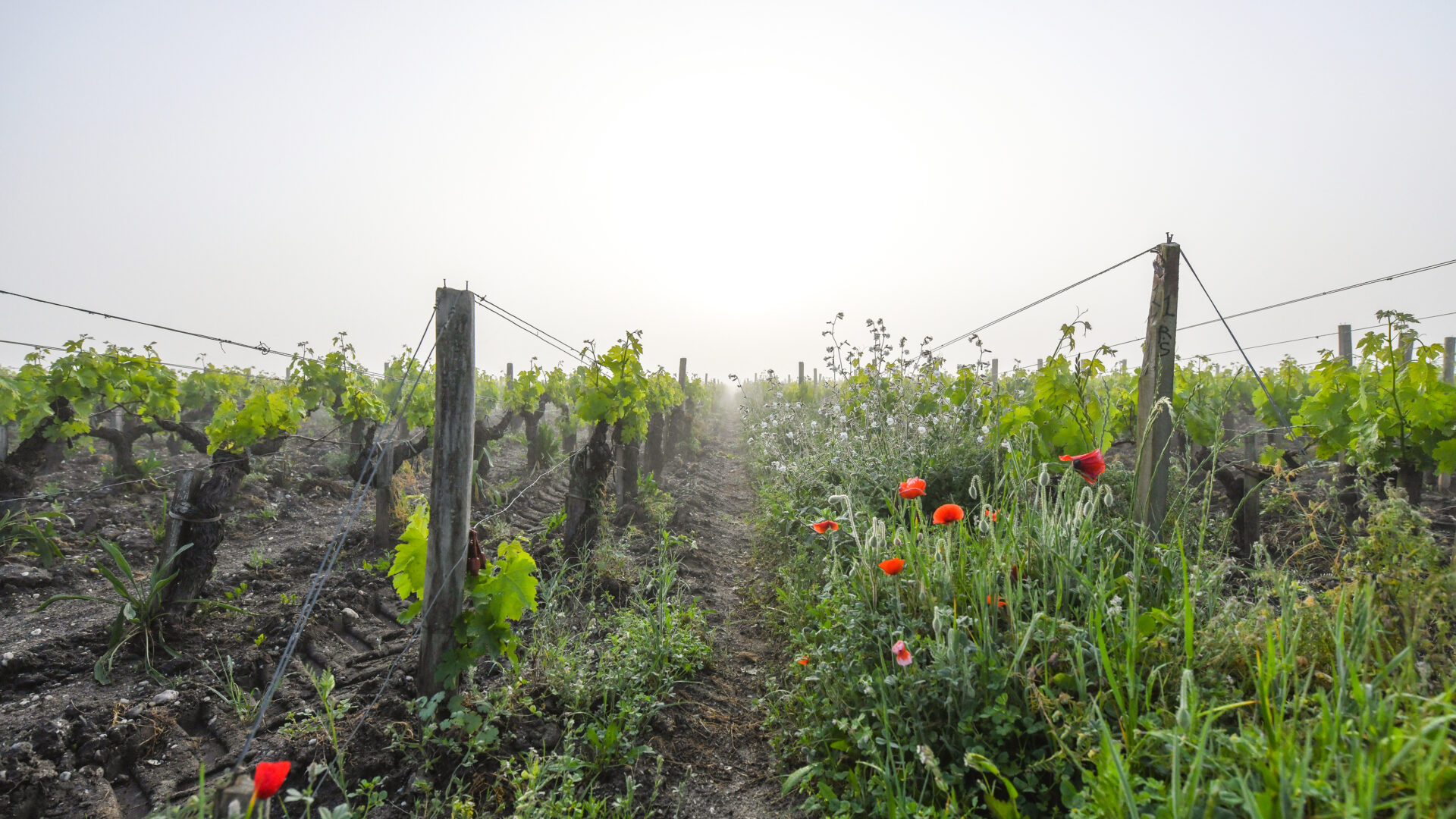
Fun Facts
Three fun facts you need to know about Margaux
Still hungry for knowledge on the specificities of Margaux? Don’t worry, we have everything covered!
1.
“Margaux” was first used as a first name by Ernest Hemingway’s granddaughter. While officially named “Margot”, she adopted the spelling “Margaux” when she learned that her parents had tasted Château Margaux the day she was conceived. A wine which her illustrious grandfather particularly enjoyed too, by the way…
2.
Alongside the PDO’s traditional grape varieties, a seventh is under trial to meet the challenges posed by climate change: castets N. What does it bring to the table? Late ripening, good resistance to mildew and a style that respects the typical characteristics of Margaux wines. Its first experimental harvest took place in 2025. Wait and see!
3.
Every month in October, after the harvest, the Margaux Saveurs event is held, transforming the area into one big party! For a few days, the appellation’s four villages offer something for everyone, from concerts to tastings, workshops and delicious meals.
Let’s talk about the soil
The Margaux terroir is a real gem in the vineyards. It consists of gravel transported by the Garonne River onto a central plateau measuring 6 km long and 2 km wide.
En voir plus
It comprises six types of terraces formed during the Quaternary period several million years ago, composed primarily of sandy-clay soils. Here, large-sized Garonne gravel combines with average-sized pebbles, resulting in the most remarkable combination of gravel soils in the Haut-Médoc. This ancient layer, which lies atop a limestone or clay-marl Tertiary terrace, produces the finest Margaux wines.


Let’s travel back in time
Like in many areas in the Bordeaux region, vines have been grown in Margaux since the Gallo-Roman period.
En voir plus
In the 17th century, high-quality vineyards were planted around the seigneuries and the priory of Cantenac thanks to a large drainage system commissioned by Louis XIII and implemented by Dutch engineers: a real stroke of genius which benefited the terroir. Not long after, in 1705, Château Margaux already appeared in local records.
But it wasn’t until the late 18th century that the first aging techniques were implemented and Margaux became what it is today: a land of exceptional wines. Its reputation grew fast both in France and abroad.
Then came the famous 1855 classification, created upon the initiative of Napoléon III: 21 great growths in the appellation were classified out of 61 in total – enough to impress wine lovers! One hundred years later, in 1954, the Margaux winegrowers’ union was founded and the appellation was officially recognized as a PDO. This sealed its prestige and legendary charm, which we continue to savor today.