Sauternes, the magic of a Golden terroir
“Sauternes” – this name instantly captures the imagination of fans of golden, silky wines. And quite rightly so! This king of sweet white wines is both a masterpiece of nature and a small jewel of winegrowing expertise.
What is the Sauternes wine region?
Key points to remember
- 1,200 hectares of vines, 140 winegrowers and 27 châteaux ranked in the 1855 classification. Among them, the one and only Premier Cru Supérieur: Château d’Yquem.
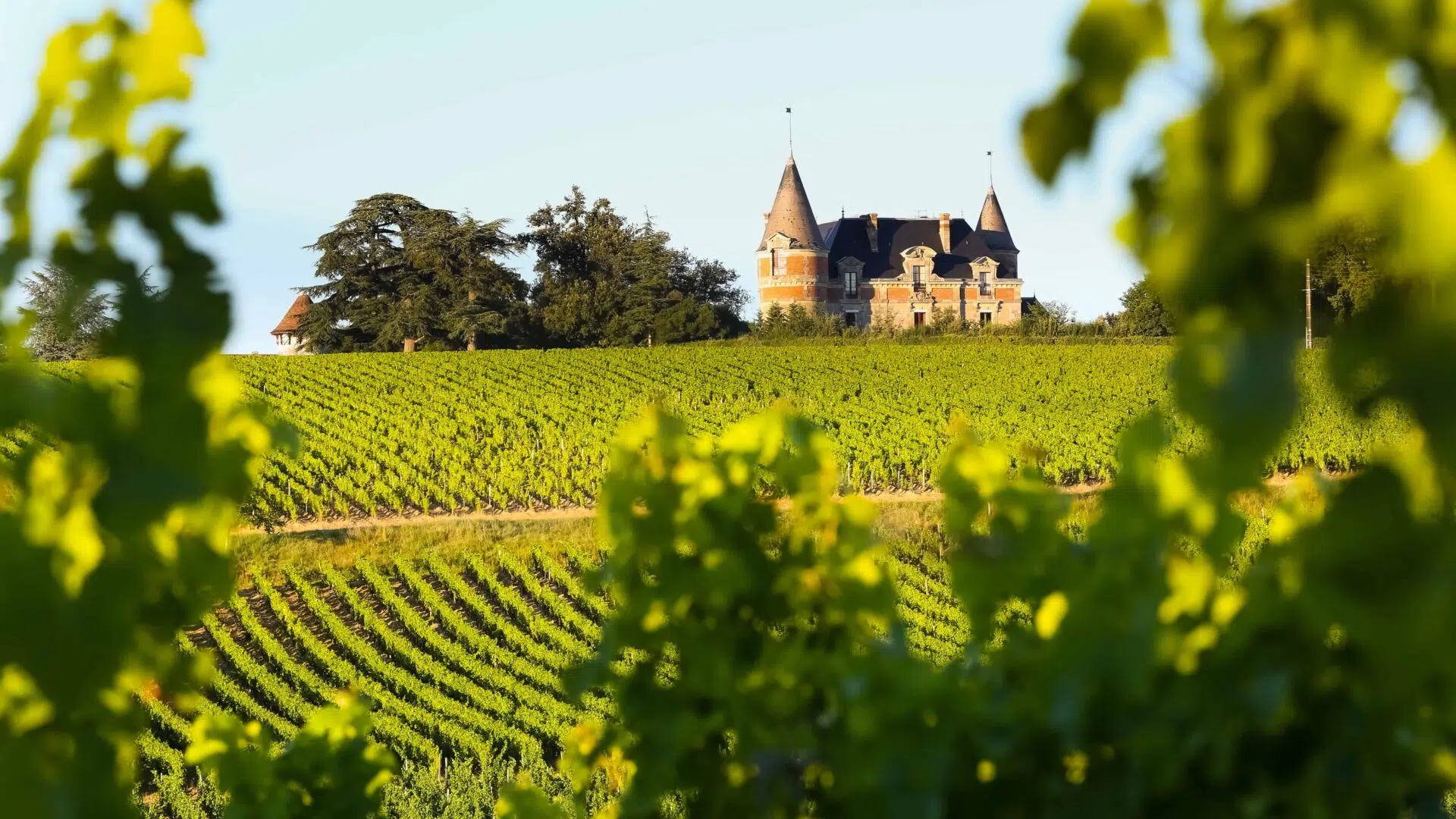
- A wide variety of terroirs nestled between the Garonne River and the Landes forest, spanning five communes: Barsac, Bommes, Fargues, Preignac, not forgetting Sauternes, of course!
- A unique microclimate influenced by the cool waters of the Ciron River which flow from the Landes into the Garonne River. The combination of morning fog and afternoon sunshine creates the perfect conditions for Botrytis cinerea, aka noble rot, a fungus which transforms the ripe grapes into golden wonders.
Why do people love Sauternes and its wines?
- Because here diversity is king: from fruity wines to more developed ones, richness to minerality, the quietly understated to the more extravagant…
- Because the personality of the winegrower shines through each bottle
- Because the harvest requires meticulous selection with handpicking in successive passes, one grape at a time
- Because these wines can easily be enjoyed throughout a meal, from starter to dessert
- Because they also know how to surprise, whether served with traditional dishes (foie gras, cheese, chicken) or more unexpected pairings (tapas, seafood, sushi, etc.).
- Because there are a thousand ways to explore the surrounding area: by foot, bike, horseback… or even on a canoe along the Ciron River
What is the
Sauternes style?
If there’s one thing that stands out when you taste a glass of Sauternes, it is the incredible wealth of flavors, offering the perfect balance of power and elegance.
More than simple aromas, it offers a delicious basket of flavors
When young, these wines are bursting with refreshing notes of citrus (orange, grapefruit), white flowers (acacia, peach tree), orchard fruit (apple, pear). Time then works its magic, gradually revealing aromas of spices (cinnamon, saffron) mingled with tropical fruit (lychee, pineapple) and nuts (hazelnut), as well as dried fruit and candied fruit (fig). They also take on a lovely amber colour and velvety texture.
Botrytis cinerea transforms these wines into real gems, whether they are at the height of their youth or after a few years of cellaring. In other words, there’s a Sauternes to suit all tastes!
See also: Grape varietiesWhich kind of wines can be found in Sauternes?
It’s simple: only sweet white wines, but with their own distinctive signature.
Sémillon, the local star grape variety, guarantees incredibly delicate, well-balanced and complex wines. Aromatic, lively and well-structured, Sauvignon Blanc and Sauvignon Gris add a refreshing touch to the blends. Muscadelle, a minority grape variety, adds its own floral and fruity notes, making the wines even more charming.

Fun facts
Three fun facts you need to know about Sauternes
Curious to find out more about Sauternes? Read on to discover its secrets!
1.
The appellation represents only 2% of the Bordeaux vineyards yet produces the most iconic sweet white wines in the world. What’s more, Sauternes wines are the only white wines to be included in the famous 1855 classification.
2.
Come and join us on a walk, every June in Sauternes! The “Arômes & Paysages” walk is the perfect opportunity to explore the region in all its diversity and discover its landscapes, vineyards and outstanding châteaux, followed by a gastronomic 5-course meal served with Sauternes wines from start to finish.
3.
Botrytis cinerea is the real aromatic driving force behind these PDO wines, bestowing them with over 50 different aromas and flavours.
Let’s talk about the soil
The Sauternes vineyards are made up of a patchwork of soils which greatly influence its wines.
En voir plus
They are composed of alluvial and sandy-gravel layers combined with silt and clayey sand. This clever geological mix ensures excellent drainage and wines with utmost finesse.


Let’s travel back in time
There are two legends associated with the birth of sweet white wines in Sauternes. The first dates back to 1836, when, after many autumnal rainfalls, the negociant Frederic Focke patiently waited for the sun to return before harvesting
En voir plus
His decision surprisingly led to the creation of a wine with incredible richness. The second legend takes place in 1847. The Marquis Bertrand de Lur-Saluces traveled to Russia for the hunting season, and ordered everyone to wait for his return before picking the grapes. The result was equally outstanding.
Beyond these tales, it is above all the winegrowers’ thorough knowledge of their terroir which truly made the legend of Sauternes. In 1936, it was one of the very first French PDOs to be officially recognized. This set in stone what lies behind the success of Sauternes: an exceptional vineyard, robust expertise and a deeply-rooted collective identity.