Graves, the origins of Bordeaux Wines
The Graves is the birthplace of the Bordeaux wine region, and where it all began many years ago. Here, fine-tuned ancient expertise combined with a distinctive authentic identity produces genuine, elegant wines firmly rooted in their terroir.
What is the Graves wine region?
Key points to remember
- 3,350 hectares, 42 communes and 200 passionate winegrowers who bring a historic terroir to life.
- Vines which stretch south of Bordeaux up to Saint-Pardon-de-Conques, on the Left Bank of the Garonne. The appellation is named after the gravel and smooth pebbles deposited by the river over thousands of years ago. Today, it is also home to sandy clay terraces, gravelly rises and soils with varying proportions of limestone and silt. Read on to find out more!
- A great growth classification unique to this appellation showcasing 14 outstanding châteaux, on a single level with no internal ranking – much to the pleasure of wine enthusiasts.
Why do people love the Graves and their wines?
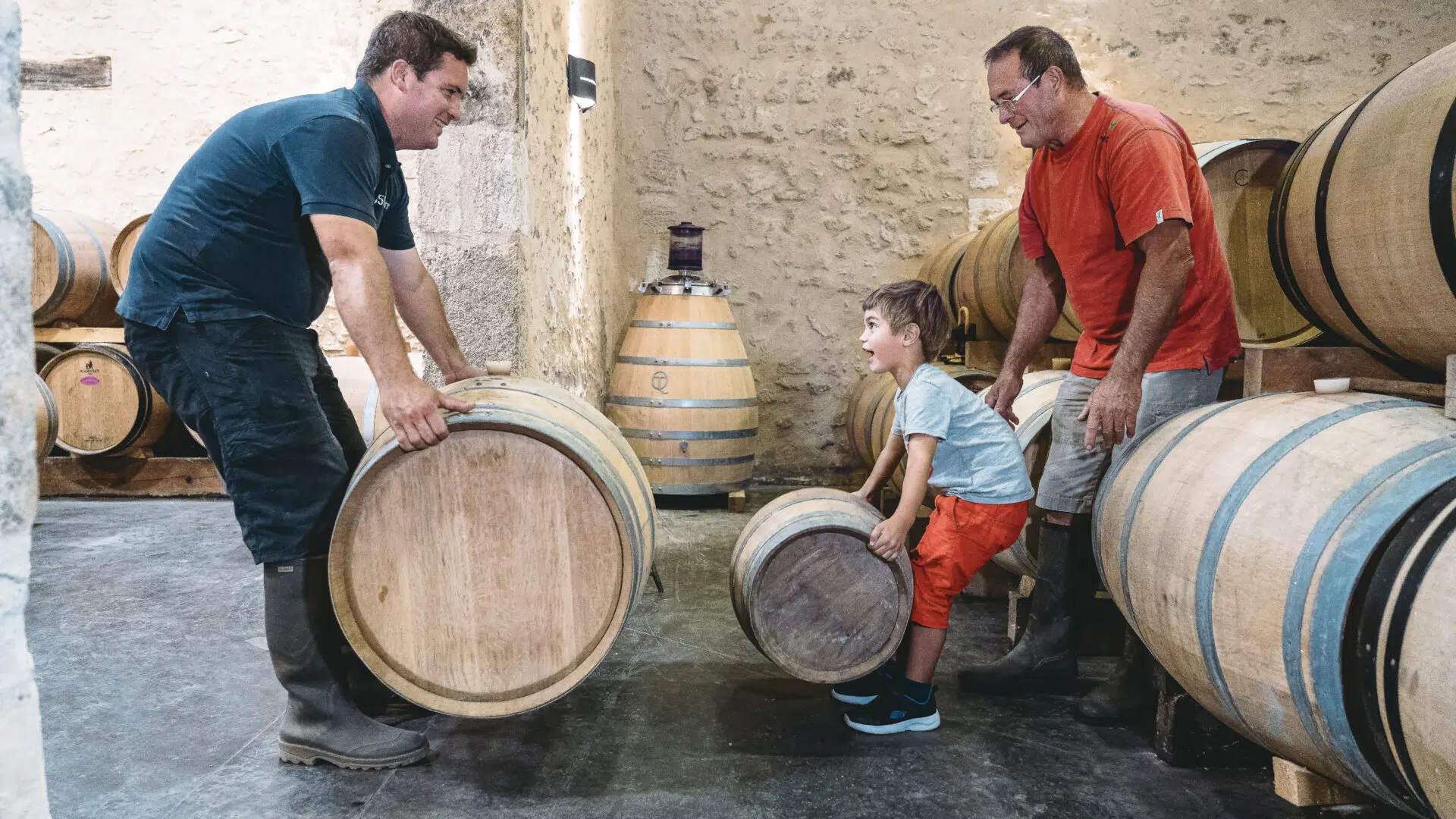
- Because their family estates remain on a human scale and are often passed down from one generation to the next
- Because their young winegrowers are at the forefront, always on the lookout for new ways to satisfy the latest consumer tastes, cleverly combining traditions and modernity
- Because their wines are full of character, easygoing and perfect for sharing
- Because they offer something to suit all tastes, from well-balanced red wines to expressive dry wines
- Because their Maison des Vins in Podensac is always on hand to guide you to your future favorites
- Because there is nothing more exciting than exploring the vineyards via the famous Bordeaux Wine Road in the Graves and Sauternes region
What is the
Graves style ?
Easygoing and elegant wines brimming with authenticity: Graves wines are instant crowd pleasers.
A resolutely sincere signature wine, just as we like it
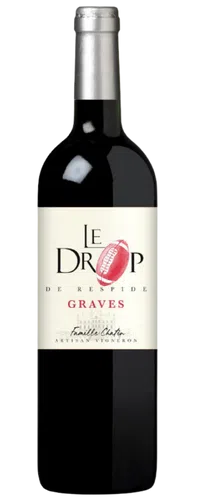
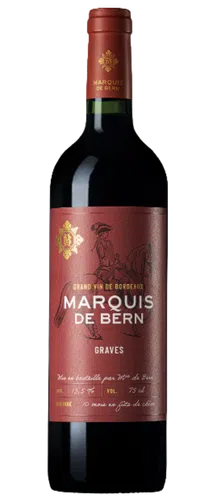
The red wines are smooth and poised with fine tannins and a harmonious structure. They display impeccable balance between fruity notes and oaky or smoky aromas. And to top it all off, wonderful aging potential for those who are patient enough to wait.
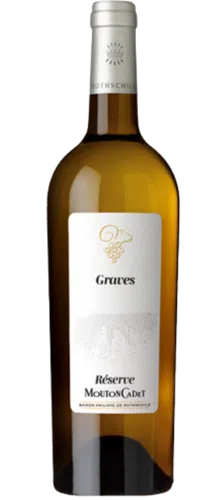
The dry white wines come in two profiles. On one hand, lively, refreshing and expressive wines with nuances of citrus, white flowers and occasional hints of tropical fruit. On the other hand, rich and complex wines after barrel aging.
And if you’re a fan of subtle sweetness, you’ll find that this wine region is also home to delicious semi-sweet white wines… but head over to the Graves Supérieures PDO to find out more.
To sum up, multiple profiles to suit all tastes!
See also: Grape varietiesWhich kind of wines can be found in the Graves?
We already spoiled it for you: they produce mainly red wines, as well as dry white wines.
As for red wines, Merlot (representing 59% of the PDO) calls the shots with its smoothness and fruitiness. Cabernet Sauvignon (33%) offers remarkable aromas and aging potential while Cabernet Franc (3%) adds hints of pepper. Petit Verdot, Malbec and Carménère brilliantly complete the package.
For the white wines, Sémillon (48%) and Sauvignon Blanc (45%) predominate, the first for its full-bodied notes, the second for its liveliness. Lastly, Muscadelle (4%) adds a floral and fruity touch, and is complemented by Sauvignon Gris (3%).
Fun facts
Three fun facts you need to know about the Graves
This appellation is brimming with history which is a delight to discover – just like its wines!
1.
The name speaks for itself! The word “graves” comes from the old French “grava”, meaning a “gravelly terrain” and an obvious nod to the gravelly soils typical of the appellation. It is also the only PDO in Bordeaux to proudly bear the name of its terroir.
2.
The very first Bordeaux wine shipped to England in the 12th century came from the Graves! In other words, this is where Bordeaux wines started to develop their international reputation.
3.
Montesquieu, a famous philosopher during the Enlightenment, owned Château de La Brède, which is located in the heart of the appellation and still attracts visitors to this day – the proof that wisdom can also produce fine wines!
Let’s talk about the soil
Once upon a time, gravel and pebbles from the Pyrenees were patiently carried by the Garonne River.
En voir plus
These “graves” soils store heat from the sun’s rays during the day and release it at night in the vineyards, providing natural warmth that works like a charm! Under the surface, stones, gravel, sand, silt and clay lie atop a limestone, iron hardpan and clay subsoil. This results in well-drained soils, producing evenly ripe grapes and wines bursting with elegance, finesse and balance – a winning trio!


Let’s travel back in time
This is where the legend of the Bordeaux vineyards began in the 1st century, since the very first grape varieties, vintages and great châteaux were born on these gravelly lands.
En voir plus
During the Middle Ages, vines were planted around Bordeaux on these poor stony soils where nothing really grew… until good grapes did, of course! The English were already great fans of the local wines, which were exported as far as northern Europe. The region’s winegrowing boom was well and truly under way.
Between the 16th and 18th centuries, great estates were founded, and “Graves wines” became the benchmark of traditional Bordeaux wines. However, it wasn’t until 1937 that the Graves PDO was officially recognized, attesting once again to the quality and typical characteristics of these historic wines.