Barsac, a treasure trove of
liquid gold
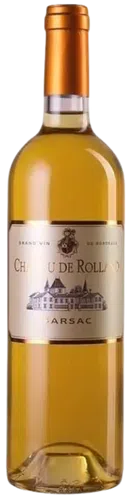
Barsac is where time, patience and the magic of nature combine to produce the famous Botrytis cinerea, also known as noble rot. The result is outstanding sweet white wines with a perfectly golden hue, which can be enjoyed from starter to dessert and even afterwards, for the sheer pleasure of it!
What is the Barsac wine region?
Key points to remember
- A 400-hectare vineyard cultivated by 30 winegrowers, with no less than 10 Great Growths in the 1855 classification.
- A unique microclimate created by the cool waters of the Ciron River flowing from the Landes into the warmer Garonne River at the Port of Barsac.
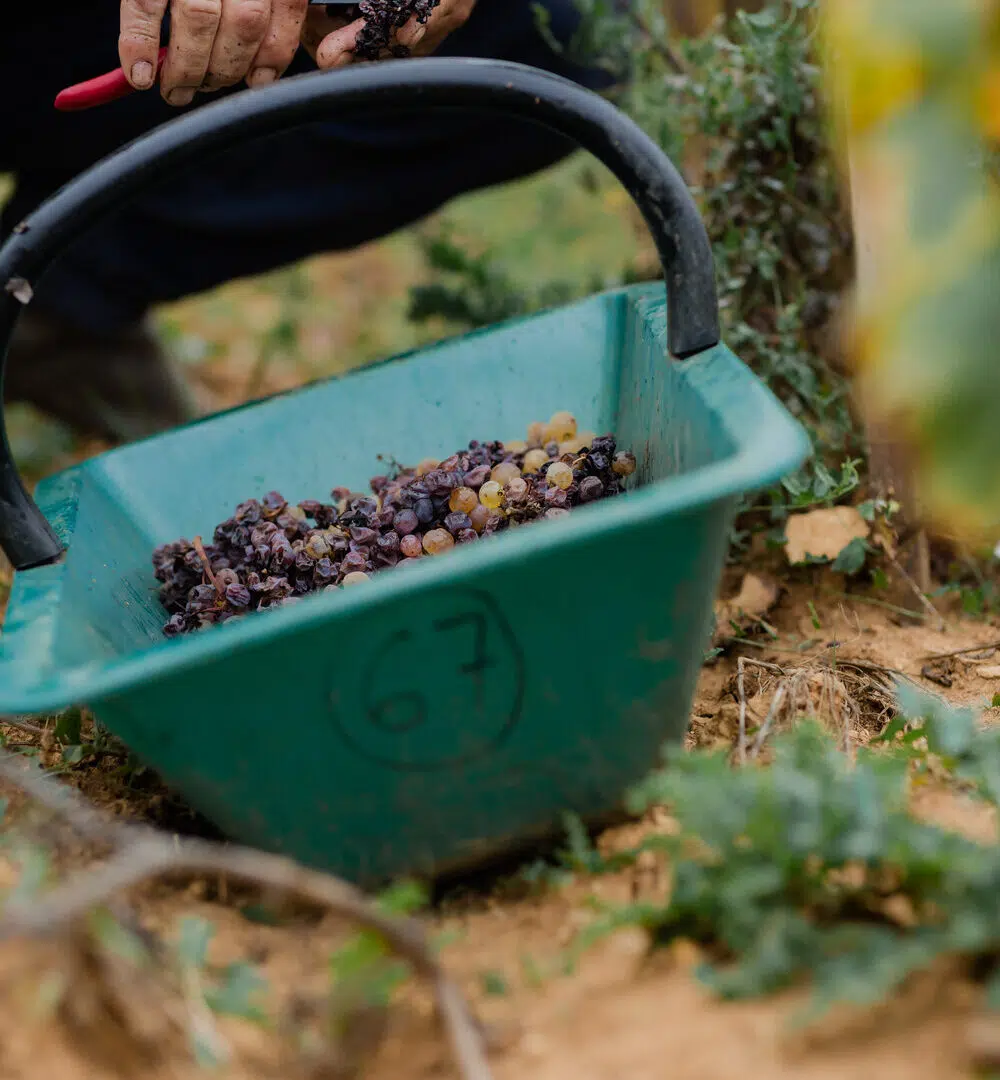
- A wonderful natural phenomenon made possible thanks to Botrytis cinerea: when morning fog gives way to afternoon sunshine in the fall, this microscopic fungus develops on ripe grapes, causing them to gently shrivel and concentrate their sugar and aromas. We told you it was wonderful!
Why do people love Barsac and its wines?
- Because the appellation offers an incredible diversity of wines, which all have one thing in common: freshness and minerality
- Because here patience is a virtue: the vines are handpicked in successive passes to ensure that only the bunches or berries affected by Botrytis cinerea are harvested
- Because each wine reflects the distinctive style of the winegrower who made it
- Because it produces wines for all occasions, from the aperitif to dessert
- Because its wines are highly versatile, making them perfect partners for both traditional French dishes (foie gras, Roquefort, chicken) and bolder pairings (seafood, sushi, spices, etc.)
- Because you can hop off at the Barsac train station and take a leisurely bikeride through the appellation’s vineyards to discover breathtaking landscapes dotted with splendid châteaux…
What is the
Barsac style?
These wines boast remarkable freshness, marked by a unique terroir that exists nowhere else.
Their wonderful minerality makes all the difference!
Barsac wines are bursting with flavors. In the first few years, they offer incredible freshness and notes of citrus, white flowers and orchard fruit. They gain complexity over time, gradually revealing nuances of spices, tropical fruit and honey, followed by dried, candied fruit and nuts. They display a distinctive amber colour, a silky texture and irresistible charm!
As you probably guessed, these wines are enjoyable young but taste even better after cellaring!
See also: Grape varietiesWhich kind of wines can be found in Barsac?
Only sweet white wines, of course!
They are made from four main grape varieties. Sémillon, the king of the local vineyards, brings finesse, complexity and balance. Sauvignon Blanc and Sauvignon Gris are crisper, more full-bodied and aromatic, providing a touch of freshness. Muscadelle is much more discreet but no less special, adding floral and fruity notes to this lovely ensemble.

Fun facts
Three fun facts you need to know about Barsac
Want to delve deeper into the appellation? Read on to discover a few fun facts that won’t disapoint!
1.
Botrytis cinerea alone produces an incredible variety of aromas in Barsac wines: over 50, to be precise!
2.
Barsac is part of the Sauternes appellation, which covers a much larger area under vine. Its winegrowers can therefore either label their wines “Barsac” or “Sauternes”.
3.
The suffix ac comes from the Latin aqua, which the Romans used to designate villages close to waterways. And this couldn’t be truer! The heart of Barsac beats to the rhythm of the Ciron and Garonne rivers.
Let’s talk about the soil
To fully understand the Barsac terroir, you need to head underground.
En voir plus
Here you will mainly find asteriated limestone – a white rock which is sometimes yellow in color, resulting from ancient sea beds and scattered with starfish. This is what gives these wines their distinctive minerality and finesse – a unique asset which makes all the difference after a few years in the cellar.


Let’s travel back in time
As early as the Middle Ages, Barsac was a flourishing village which served as both a royal provost and commercial hub thanks to its river port. In fact, a lot of wines were already exported at the time.
En voir plus
Under Napoleon III, several of Barsac’s châteaux were included in the famous 1855 classification: a wonderful accolade!
Then, in 1936, Barsac was officially recognized as one the very first protected designations of origin in France. A great way to showcase the expertise of winegrowers and the uniqueness of the terroir, with its microclimate propitious to the development of Botrytis cinerea. Today, its unrivalled alchemy lives on…