Côtes de Bordeaux Saint-Macaire, white wines from start to finish
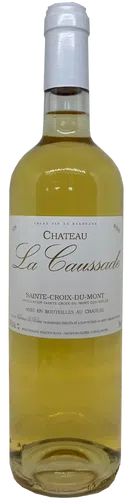
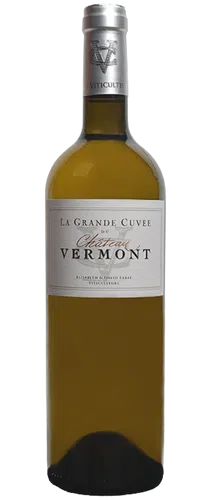
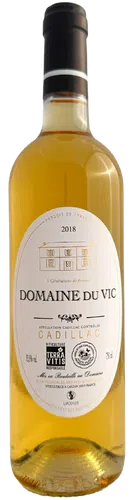
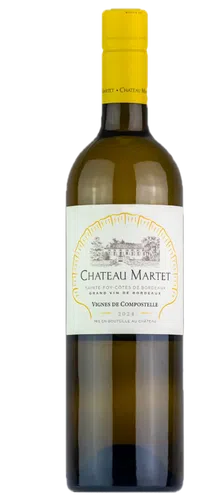
A small appellation with an impressive history! Côtes de Bordeaux Saint-Macaire has spades of authenticity. And especially elegant, fresh white wines in a range of styles: dry, semi-sweet and sweet. Here there is no getting away from authentic white wines.
What is the Côtes de Bordeaux Saint-Macaire wine region?
Key points to remember
- Fifteen or so estates spanning just 10 communes: Caudrot, Le Pian-sur-Garonne, Saint-André-du-Bois, Saint-Laurent-du-Bois, Saint-Laurent-du-Plan, Saint-Martial, Saint-Martin-de-Sescas, Saint-Pierre-d’Aurillac, Sainte-Foy-la-Longue and of course, Saint-Macaire.
- Vineyards nestled south of Bordeaux, on the Right Bank of the Garonne River, in the Premières Côtes de Bordeaux region. Here, they benefit from sun-drenched valleys and a temperate oceanic climate, which plays a decisive role in the development of noble rot (or Botrytis cinerea, for those in the know) – everything you need to make delicious semi-sweet and sweet white wines!
- A rich past as a winegrowing region and hub for trade, which locals are still proud of today.
Why do people love Côtes de Bordeaux Saint-Macaire and its wines?
- Because this appellation offers a wide range of white wines, including dry, semi-sweet and sweet. It may be little-known, but it still has a lot to offer!
- Because the remarkable elegance of its wines is a pleasure to taste
- Because Bordeaux expertise is wonderfully embodied in its cuvées
- Because its winegrowers are the guardians of ancient heritage
- Because in addition to its exceptional vineyards, the charming medieval town of Saint-Macaire is unforgettable!
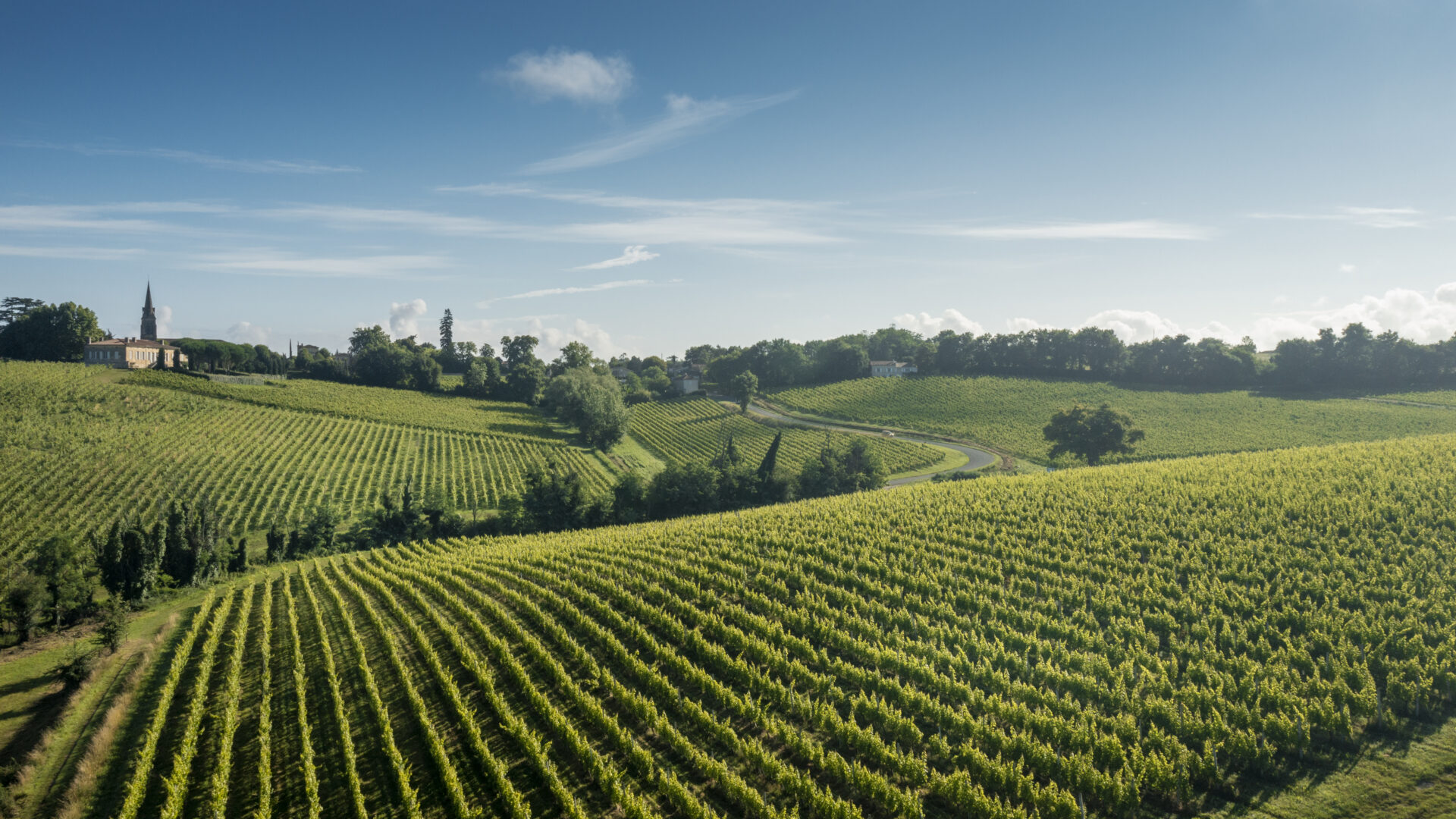
What is the Côtes de Bordeaux Saint-Macaire style?
Combining diversity, elegance and balance, the appellation’s wines have hit the nail on the head.
From the outset, their freshness and finesse grab your attention.
These wines delicately navigate between richness and liveliness, revealing wonderful aromatic complexity and an appealing aftertaste.
They often have attractive hints of musk, toasted almonds, green apple, white fruit, acacia blossom and vanilla. Round, rich and generous, you will also discover delicious notes of honey and dried fruit, which provide just the right amount of indulgence.
In other words, an authentic expression of 100% Bordeaux expertise.
Which kind of wines can be found in Côtes de Bordeaux Saint-Macaire?
White wines from start to finish: dry, semi-sweet and sweet!
Sémillon, the appellation’s signature grape variety, offers a smooth, round texture with notes of honey, white flowers, quince and candied fruit. Its generous nature is even more dazzling in semi-sweet and sweet white wines. Sauvignon Blanc, the complementary grape variety, brings with it a breath of fresh air: lively and intense, it reveals overtones of citrus fruit, tropical fruit and flowers. Muscadelle takes a backseat, but elegantly adds a hint of orange and lime blossom, as well as fresh grapes.

Fun Facts
Three fun facts you need to know about Côtes de Bordeaux Saint-Macaire
That’s right, the appellation still has plenty of surprises up its sleeve!
1.
In the Middle Ages, Saint-Macaire held the highly coveted “privilège des vins”, granted by the King of England himself. This meant they had the right to levy a toll on all wines transported on the Garonne River, particularly those from Quercy. It also meant that Saint-Macaire’s port became one of the most prosperous of the region, even rivaling Bordeaux for several decades.
2.
Once planted with old red grape varieties (including a local variety called “Saint Macaire”), its vineyard changed style and now produces the delicious dry, semi-sweet and sweet white wines we know today.
3.
Between the 18th and 20th centuries, Saint-Macaire was also famous for its barrel-making. Further proof, if needed, of the historic importance of this appellation’s wine..
Let’s talk about the soil
In Saint-Macaire, the terroir is incredibly diverse, just like its wines: clay and limestone predominate but you will also find sand and gravel mixed with limestone, depending on the plot.
En voir plus
This patchwork of soils allows each grape variety to flourish, producing infinitely refreshing and elegant wines.


Let’s travel back in time
Winegrowing has existed in Saint-Macaire since Antiquity, but it really took off in the Middle Ages. Why, you might ask? Due to the booming trade between Bordeaux and England at the time. Appointed a Royal English port in 1341, the town prospered all the more thanks to its strategic position on the Garonne River and its famous “privilège des vins”.
En voir plus
In the 18th century, Dutch demand spurred the production of white wines, kick-starting technical innovation in the process, such as barrel and bottle aging using sulfur sticks.
The “Graves de Saint-Macaire” winegrowers’ association was founded in 1914, but the appellation wasn’t officially recognized until 1937 under the name “Côtes de Bordeaux Saint-Macaire”. Although its white wine production had become extremely low-key, it experienced a resurgence in the 2000s, driven by renewed enthusiasm among local winegrowers. Today, Côtes de Bordeaux Saint-Macaire continues to delight our taste buds!