Bordeaux,
Full of bold traditions
Bordeaux wines include dozens of appellations, every one more delicious than the next, starting with the Bordeaux PDO itself! Its superpower? It’s the only PDO to produce all styles across the entire Gironde terroir! Proud of its tradition, it also knows how to bring a good dose of inventiveness to the table, and you’re sure to find something you like.
What is the Bordeaux PDO wine region?
Key points to remember
- A total of 34,080 hectares and 1,600 winegrowers. Diversity is a way of life for this PDO, with estates ranging from simple “hangars” to prestigious châteaux, with beautiful Gironde properties and impressive cooperative cellars in between.
- An appellation officially created in 1936 and which spans the entire Bordeaux wine region. In other words, a wide variety of soils and climates, resulting in 3 styles and 6 key products, well worthy of tasting and listed as follows: Bordeaux red, Bordeaux Claret, Bordeaux Clairet, Bordeaux rosé, Bordeaux dry white and Bordeaux sweet white.
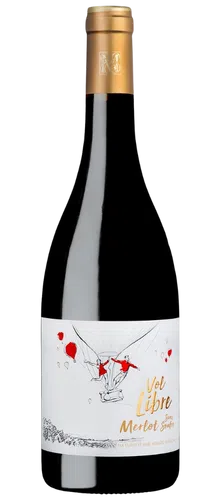
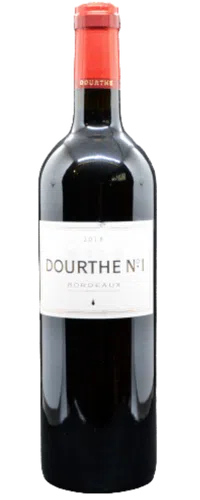
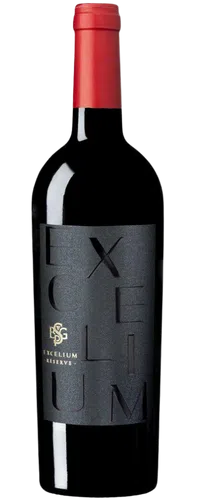
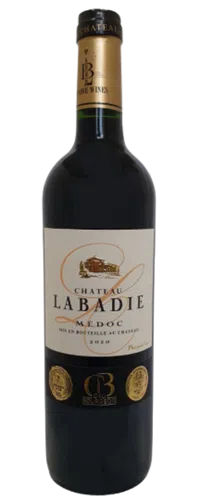
- World-famous blended wines, not forgetting unusual cuvées, wonderful varietal wines, original aging methods (in amphoras, jars, etc.) and bold bottle and label designs. The Bordeaux PDO is truly versatile, forever reinventing itself while constantly preserving its expertise – always contemporary, never predictable.
Why do people love Bordeaux and its wines?
- Because they offer something for every occasion, from casual drinks with friends to fancy dinners
- Because with this PDO, you’re always spoiled for choice, whether you’re a beginner or already a connoisseur
- Because they love to innovate and surprise you with their daring side
- Because these wines offer excellent value for money
- Because they resemble their winegrowers: from all walks of life, but with the same shared desire to titillate your taste buds
- Because with a vineyard stretching over the entire Gironde region, you can enjoy hundreds of wine tourism experiences, from the great classics to the more unusual

What is the
Bordeaux style?
With so much expertise, imagination and so many styles, it’s difficult to put Bordeaux PDO wines into a single category.

bordeaux
red
Wines that are easy to drink, generous, fruity or oaky – perfect for family celebrations or impromptu meals with friends.
Bordeaux
Claret
Modern, fruity red wines with few tannins, which are easy to drink and best served well-chilled. They are perfect for an aperitif!

Bordeaux
Clairet
Delicious rosé wines with intense aromas, which are more vinous than other rosés yet more refreshing than red wines. Perfect for barbecues or cocktail parties.

Bordeaux
rosé
Fruity freshness with a delicate, laid-back style. Best enjoyed young, sipped on a rooftop or terrace.

Bordeaux
dry white
Lively and refreshing cuvées. Perfect with oysters (from Arcachon Bay, of course!).

Bordeaux
Sweet white
A harmonious mix of sweetness and roundness with a touch of vivacity. A well-chilled glass before dinner is an absolute must!
This lively diversity is the true signature of Bordeaux wines.
See also: Grape varietiesWhich kind of wines can be found in the Bordeaux PDO?
They come in a whole host of styles!
This is no coincidence for an appellation that has mastered the art of blending like no other, drawing on the full range of Bordeaux grape varieties: Merlot, Cabernet Sauvignon, Cabernet Franc, Malbec, Petit Verdot and Carmenère for the red wines; Sauvignon Blanc, Sauvignon Gris, Sémillon and Muscadelle for the white wines.
Here’s each product in more detail:
- Bordeaux red: all red grape varieties, mostly blended
- Bordeaux rosé: all red grape varieties (no, it’s not a mix of red and white grape varieties!)
- Bordeaux Claret: all red grape varieties with Merlot as the star
- Bordeaux Clairet: all red grape varieties, above all Cabernet Sauvignon and Cabernet Franc
- Bordeaux dry white: all white grape varieties, including the top trio of Sauvignon Blanc, Sémillon and Muscadelle
- Bordeaux sweet white: all white grape varieties, but especially Sémillon

Fun facts
Three fun facts you need to know about Bordeaux
With so much diversity, the appellation certainly has many delicious tidbits to reveal.
1.
The Bordeaux PDO accounts for almost half of the area under vine in the Gironde region, 49% to be precise. That’s right, you’re looking at the largest PDO vineyard in France!
2.
You might think that Bordeaux has essentially made red wines over time, but that’s not true! In the 1970s, for example, the appellation produced more white wines than red wines – further proof that it’s forever evolving and always in tune with the times.
3.
Here’s a little tip to impress your friends at your next party: contrary to what you might think, “Claret” is pronounced the English way, even in French. It’s a way for these wines to remind us that they owe their existence to the English (but we’ll tell you more about that later).
Let’s talk about the soil
Vineyards stretching across the Bordeaux region bring a rich patchwork of terroirs to mind.
En voir plus
Each Bordeaux PDO wine draws its character from a different soil depending on where the grapes are grown. It is nevertheless worth noting that the main production area for this appellation is in the Entre-deux-Mers region, with its sandy, clay-limestone soils.


Let’s travel back in time
Several centuries ago, Bordeaux wines were mostly clear-colored, light reds – the famous Clarets loved by the English, transported to them in amphoras or barrels.
En voir plus
Then, in the 19th century, the region started producing darker, more tannic and “serious” red wines – a style that put Bordeaux on the global map. This is also when the wine began to be bottled. In the late 20th century, oaky wines were very popular for many years. And now? We’re back to light and refreshing red wines, very much in the spirit of the old Claret!
White and rosé wines also became hugely popular in the 20th century. Bordeaux produced a lot of white and Clairet wines, which were easy to drink and perfect for vacations (coinciding with the introduction of paid leave in France!). Some of the dark rosé wines were even lightened. In short, Bordeaux wines are always evolving!